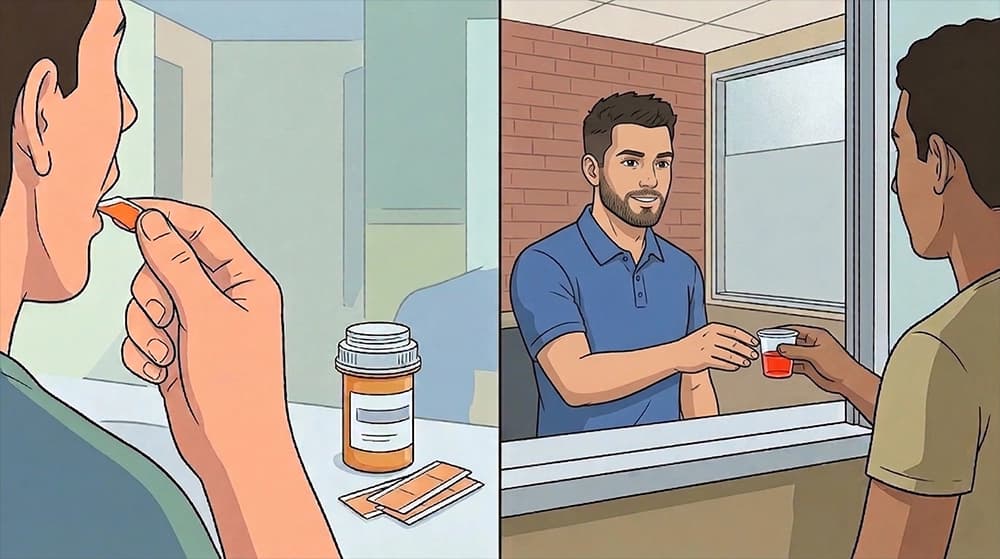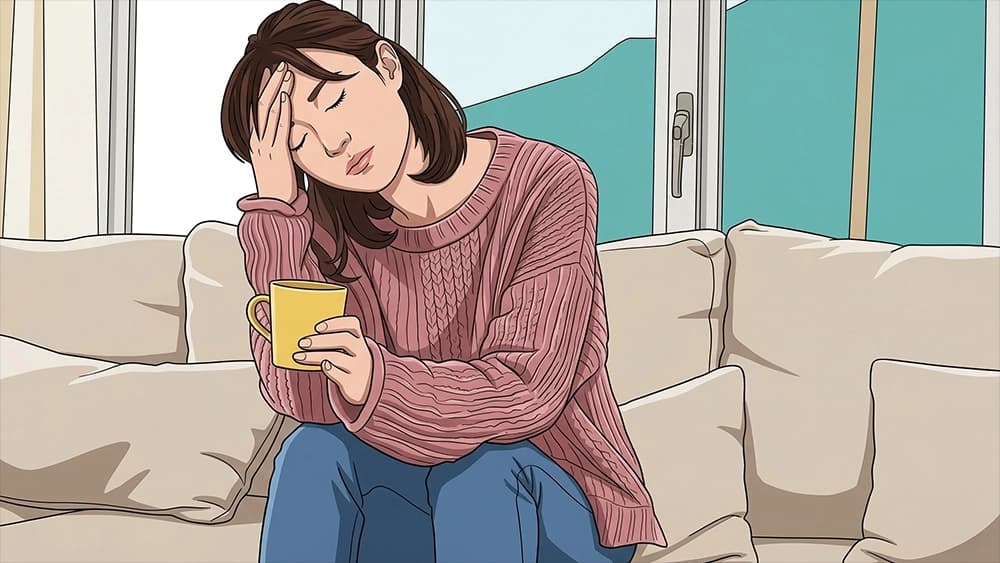

Depression and opioid use frequently co-occur and require integrated treatment that addresses both conditions simultaneously. Treating only one condition increases the risk of relapse and worsening symptoms.
- 1Depression and opioid use disorder share overlapping neurochemical pathways, making co-occurrence common.
- 2Treating one condition without addressing the other increases the likelihood of relapse and symptom escalation.
- 3Integrated dual diagnosis programs coordinate psychiatric care and addiction treatment under one clinical team.
- 4Medication-assisted treatment combined with evidence-based therapy supports stabilization for both conditions.
- 5A thorough clinical assessment is the first step in identifying co-occurring needs and building an effective care plan.
Depression and opioid use frequently occur together, creating what clinicians call a depression and opioid use dual diagnosis. When two conditions co-occur, treating only one while ignoring the other sets the stage for relapse and deepening symptoms. Integrated care offers the strongest foundation for lasting stability.
Understanding the Connection Between Depression and Opioid Use
Both conditions involve changes in brain chemistry, particularly in systems that regulate mood, motivation, and pain perception. When someone experiences depression, opioid use can feel like temporary relief—activating reward pathways and reducing emotional pain. Over time, using opioids to manage depression deepens both conditions. The brain adapts, while depression intensifies as the person relies on substances instead of meaningful coping strategies. Without psychiatric support, individuals may turn to prescription pain medications or other opioids to manage emotional distress, creating opioid use disorder inseparable from the underlying depression.
Why Treating Only One Condition Fails
Addressing opioid use alone will not resolve depression, nor will treating depression automatically resolve substance use. When treatment focuses only on addiction, depression continues unchecked, increasing relapse risk. When treating depression alone, substance dependence persists and worsens.
Integrated dual diagnosis treatment addresses both conditions within a single, coordinated care plan. A psychiatrist and addiction medicine team work together on medication choices, therapy goals, and progress—acknowledging that depression and opioid use disorder are interconnected aspects requiring simultaneous intervention.
What Integrated Dual Diagnosis Treatment Looks Like
Effective dual diagnosis treatment begins with a thorough clinical assessment. The intake evaluation includes:
- A detailed psychiatric history identifying the timeline of depression symptoms
- A substance use history noting when opioid use began, patterns of use, and any attempts to reduce or stop
- A medical review to rule out physical health factors contributing to mood or pain
- Screening for co-occurring conditions like anxiety, trauma, or sleep disorders
- A conversation about family history, life circumstances, and previous treatment attempts
Based on this assessment, the treatment team develops a care plan that typically includes:
Medication Management: A psychiatrist may prescribe antidepressants alongside medication-assisted treatment (MAT) medications such as buprenorphine or methadone. Medication-assisted treatment reduces cravings and withdrawal risk while allowing the person to function cognitively and emotionally, creating stability in which therapy can work. Antidepressants address mood symptoms and are chosen carefully to complement addiction treatment without interfering with it.
Individual Therapy: Therapy sessions address the underlying drivers of depression, help build coping skills for emotional regulation, and address thought patterns that fuel substance use. Cognitive-behavioral therapy (CBT) and motivational interviewing are evidence-based approaches particularly effective for co-occurring depression and addiction.
Group Support: Sharing experiences with peers in similar situations reduces isolation and builds a community of support. Group counseling also reinforces relapse prevention strategies and healthy coping skills.
Residential or Intensive Outpatient Structure: Many people benefit from a structured environment—either in-person residential care or intensive outpatient programs—that removes triggers, provides daily structure, and allows closer monitoring of medication response and mood stability.
Medication-Assisted Treatment and Psychiatric Care Work Together
Medications used in MAT (buprenorphine, naltrexone) work differently from opioids of abuse. Buprenorphine prevents withdrawal and reduces cravings without producing a high, allowing the brain to heal while the person engages in therapy. When antidepressants are added, they address mood dysregulation. A psychiatrist monitors response and adjusts dosing based on individual needs, not a one-size-fits-all formula.
This medication partnership allows people to think clearly, engage in therapy, and develop skills to manage emotions without substances.
Choosing the Right Level of Care
People with depression and opioid use dual diagnosis benefit from different levels of care depending on severity, medical complexity, and social support. Residential treatment programs provide 24/7 care, medical supervision, structured daily schedules, and intensive therapy—an ideal choice for people withdrawing from opioids or managing moderate to severe depression alongside addiction.
Intensive outpatient programs (IOP) allow people to live at home while attending treatment several hours per day, three to five days per week. This level works well for people with stable housing and support systems who can maintain the commitment to sessions while building skills to manage both conditions.
Standard outpatient therapy and medication management is appropriate for people with stable housing, work or school obligations, and milder to moderate symptoms who have completed a higher level of care.
Learn more about dual diagnosis treatment options and how to determine what level suits your situation.

Building a Comprehensive Care Plan
Effective recovery extends beyond initial treatment. A comprehensive care plan includes:
- Regular psychiatric follow-up appointments to monitor medication response and mood
- Ongoing therapy to strengthen coping skills and address emerging stressors
- Relapse prevention planning that identifies triggers
- Family involvement when appropriate
- Connection to peer support groups that reinforce long-term stability
Understanding Opioid Addiction Treatment Options
For people specifically managing opioid use, understanding the available treatment approaches is important. Opioid addiction treatment options range from medication-assisted treatment to behavioral interventions and support groups. When opioid use co-occurs with depression, treatment coordinates these elements while the psychiatric team manages mood symptoms, creating a unified recovery path rather than fragmented services.
Taking the First Step
Recognizing that depression and opioid use are interconnected is the crucial first step. It means moving beyond self-blame or the belief that "I just need to stop" and instead seeking professional support that addresses the full picture of your health.
At Amity Palm Beach, our team understands the complexity of depression and opioid use dual diagnosis. We provide integrated assessment and care planning that coordinates psychiatric treatment with addiction medicine, allowing both conditions to be stabilized together. Our clinicians use evidence-based medications, therapy, and structured support to help people move from crisis toward lasting stability.
If you or someone you care about is struggling with depression alongside opioid use, call Amity Palm Beach at (888) 664-0182 to speak with our admissions team. We can discuss your situation, explain treatment options, verify insurance, and help you begin the journey toward integrated healing.
Medical disclaimer: This article is for informational purposes only and does not constitute medical advice. Always consult with a healthcare provider for personalized recommendations.
Frequently Asked Questions
Why do depression and opioid use disorder often occur together?
Both conditions involve disruptions in the brain's reward and stress-response systems. Opioid use can initially mask depressive symptoms, creating a cycle where people use substances to manage emotional pain. Over time, chronic opioid use changes brain chemistry in ways that deepen depression, making both conditions harder to manage without professional support.
What does dual diagnosis treatment involve?
Dual diagnosis treatment addresses both mental health and substance use conditions within a single, coordinated care plan. This typically includes psychiatric evaluation, medication management, individual therapy, group counseling, and relapse prevention planning. The goal is to stabilize both conditions simultaneously rather than treating them in isolation.
Can antidepressants be used during opioid addiction treatment?
Yes. Antidepressants are commonly prescribed alongside medications used for opioid use disorder, such as buprenorphine. A psychiatrist evaluates the interaction profile and adjusts dosing to support mood stabilization without interfering with addiction treatment. Medication decisions are individualized based on clinical presentation and history.
How long does dual diagnosis treatment typically last?
Treatment duration depends on symptom severity, substance use history, and response to care. Residential programs may last 30 to 90 days, with step-down to outpatient continuing for several months. Ongoing psychiatric follow-up and therapy are often recommended to maintain stability and reduce the risk of recurrence.
How do I get dual diagnosis care at Amity Palm Beach?
Call Amity Palm Beach at (888) 664-0182 to speak with the admissions team. They can conduct an initial screening, explain treatment options for co-occurring depression and opioid use, and assist with insurance verification and intake coordination.
Sources & References
This article is based on peer-reviewed research and authoritative medical sources.
- Mental Health and Substance Use Disorders — SAMHSA (2024)
- Comorbidity: Substance Use and Other Mental Disorders — NIDA (2024)
- Depression — NIMH (2024)
Amity Palm Beach
Amity Palm Beach Medical Team