
Loading...
MAT Program in Florida
Our medication-assisted treatment program combines FDA-approved medications with counseling and behavioral therapies for a comprehensive approach to addiction recovery.
Review service fit, costs, and arrival details with admissions before making treatment arrangements.
Speak with our compassionate admissions team. We'll answer your questions and discuss your situation.
Ask admissions and your insurer about plan-specific benefits, authorization requirements, and estimated out-of-pocket costs. Verification does not guarantee payment.
Confirm service fit, current availability, the arrival address, and what to bring before traveling. Admission depends on assessment and confirmed arrangements.

Medication-Assisted Treatment (MAT) represents one of the most effective approaches to treating opioid and alcohol addiction. At Amity Palm Beach, our MAT program combines FDA-approved medications with counseling and behavioral therapies to treat the whole person.
MAT medications work by normalizing brain chemistry, blocking the euphoric effects of opioids or alcohol, relieving cravings, and normalizing body functions. When combined with therapy, MAT has been proven to reduce illicit drug use, decrease overdose deaths, and improve treatment retention.
Our experienced medical team carefully evaluates each patient to determine if MAT is appropriate and, if so, which medication will be most effective for their specific situation.
Thorough evaluation determines if MAT is appropriate and which medication will be most effective for you.
Options reported for this program include buprenorphine (with or without naloxone), oral naltrexone, acamprosate, and disulfiram, prescribed through the program's contracted prescriber when clinically appropriate.
Medications are always combined with counseling and behavioral therapies for comprehensive treatment.
Medical follow-up allows the clinical team to review response, side effects, and whether medication changes are appropriate.
For many people, these medications reduce cravings, which can make it easier to focus on treatment. Ask how your response would be reviewed.
Ask how medication would be continued after your stay, who would prescribe it, and which follow-up appointments are arranged.
Discuss assessment, medication options, monitoring, and follow-up with the clinical team.
Complete physical examination and assessment of your addiction history to determine appropriate medication.
The clinical team assesses whether medication is appropriate and monitors response and side effects.
Dosage adjustments and monitoring to achieve optimal therapeutic effect with minimal side effects.
Ongoing medication management combined with regular counseling and support group participation.
A plan for continuing medication after discharge with a community prescriber, including any future dose changes, decided with your clinicians.
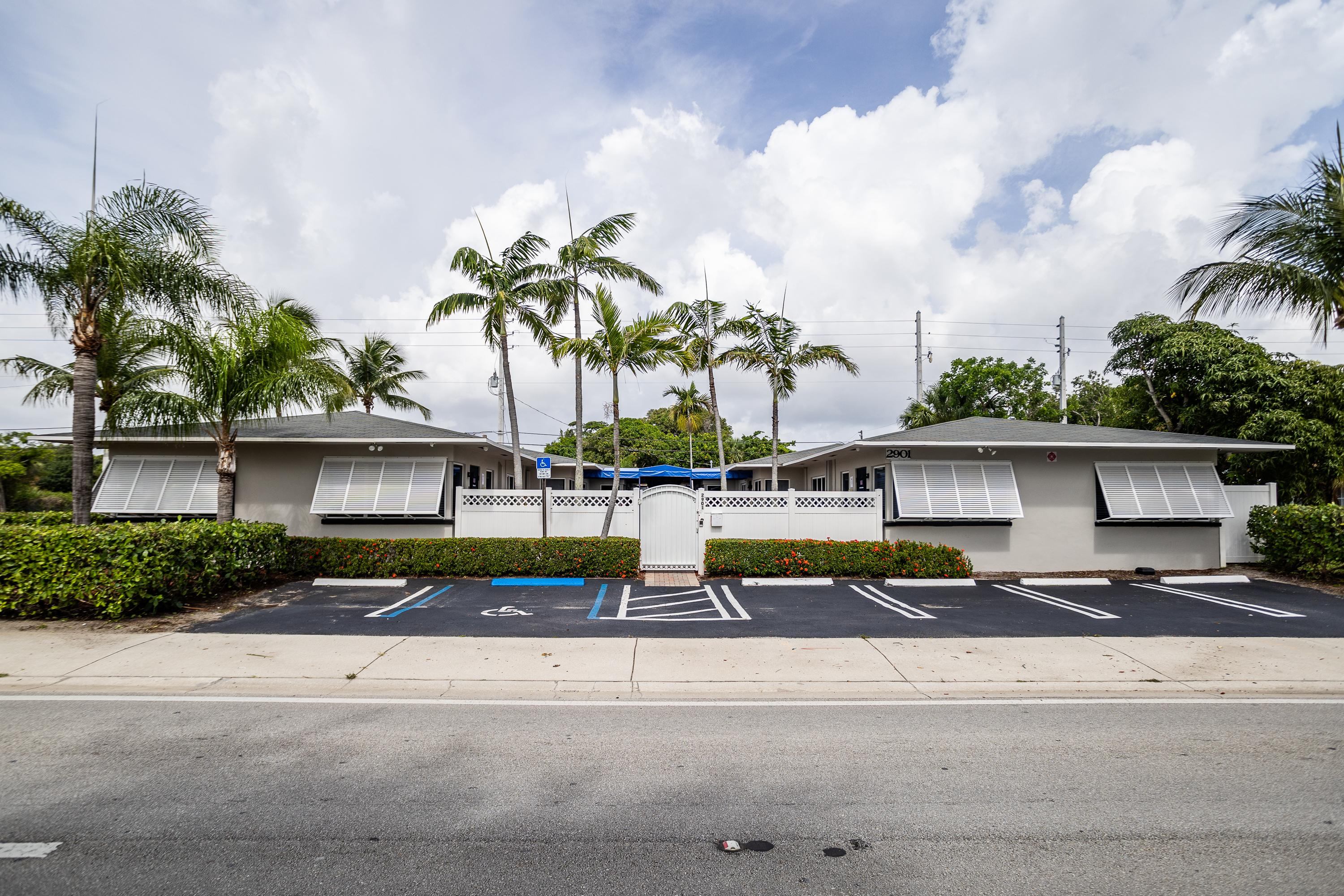
Our medication-assisted treatment program includes these evidence-based therapies.
Ask admissions whether medication for opioid or alcohol use disorder may be appropriate for you, how it would be prescribed during your stay, and how it would continue afterward. Treatment decisions depend on a clinical assessment.
Service fit, timing, and coverage are confirmed individually.