
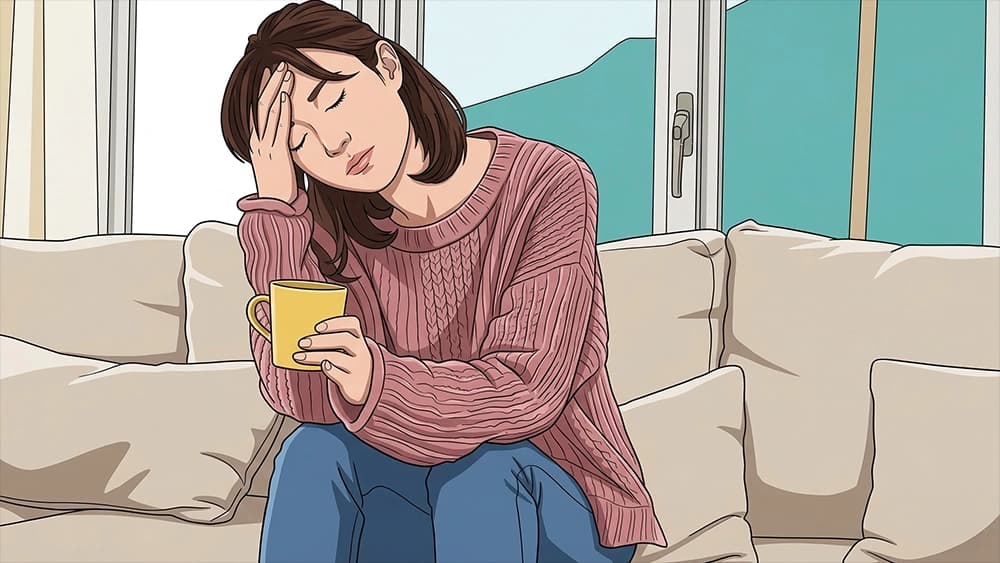
Alcohol withdrawal happens because the nervous system has adapted to repeated alcohol exposure and becomes overactive when drinking stops. Symptoms can progress from tremors, sweating, and anxiety to seizures or delirium tremens in higher-risk cases, which is why medical monitoring matters.
- 1Alcohol withdrawal begins when the body loses the depressant effect it has adapted to and the nervous system rebounds into overactivity.
- 2Early symptoms often include tremors, sweating, nausea, anxiety, elevated heart rate, and poor sleep.
- 3Some people face more serious risks such as seizures, hallucinations, or delirium tremens and should not attempt withdrawal alone.
- 4Medical detox can provide monitoring, fluids, medications, and a safer environment during the highest-risk period.
- 5After withdrawal stabilizes, ongoing treatment helps address the underlying alcohol use pattern and lowers relapse risk.
In Palm Beach and West Palm Beach, many people ask what their body will actually do once they stop drinking. That question matters because what happens during alcohol withdrawal is not only uncomfortable for some people, but potentially dangerous for others. Alcohol withdrawal is a whole-body response that affects the brain, heart, sleep, stomach, and stress system as the body adjusts to functioning without alcohol.
At Amity Palm Beach, we often explain withdrawal in simple terms: the body has gotten used to alcohol being present, so when it is suddenly removed, the nervous system can swing into overdrive. Understanding that process helps people see why detox is sometimes the safest first step rather than trying to stop alone.
Why does the body react when alcohol is removed?
Alcohol is a central nervous system depressant. With repeated heavy use, the brain adapts by changing how certain calming and stimulating chemical signals are balanced. While alcohol is present, that adaptation may not be obvious. Once drinking stops, however, the brain and body can become excessively activated.
That rebound can affect several systems at once:
- The nervous system becomes more restless and reactive
- Heart rate and blood pressure may rise
- Sleep becomes lighter and more fragmented
- The stomach may become irritated, leading to nausea or vomiting
- Mood may shift quickly toward anxiety, agitation, or irritability
This is why alcohol withdrawal is more than simply "feeling off." It is a physiological adjustment process that can range from mild to medically significant depending on the person's history and risk factors.
What symptoms usually show up first?
Early alcohol withdrawal symptoms often begin within hours of the last drink. They may start subtly and build over time, which is why some people underestimate what is happening.
Common early symptoms include:
- Shaking or tremors
- Sweating
- Headache
- Nausea or reduced appetite
- Anxiety or a sense of inner unease
- Trouble falling or staying asleep
- Rapid pulse
These symptoms happen because the body is no longer receiving the depressant effect it has come to expect. In Palm Beach, people sometimes mistake the first phase of withdrawal for stress, dehydration, or a bad hangover. The difference is that withdrawal often progresses instead of fading predictably, which is why reviewing an alcohol withdrawal timeline can be helpful.
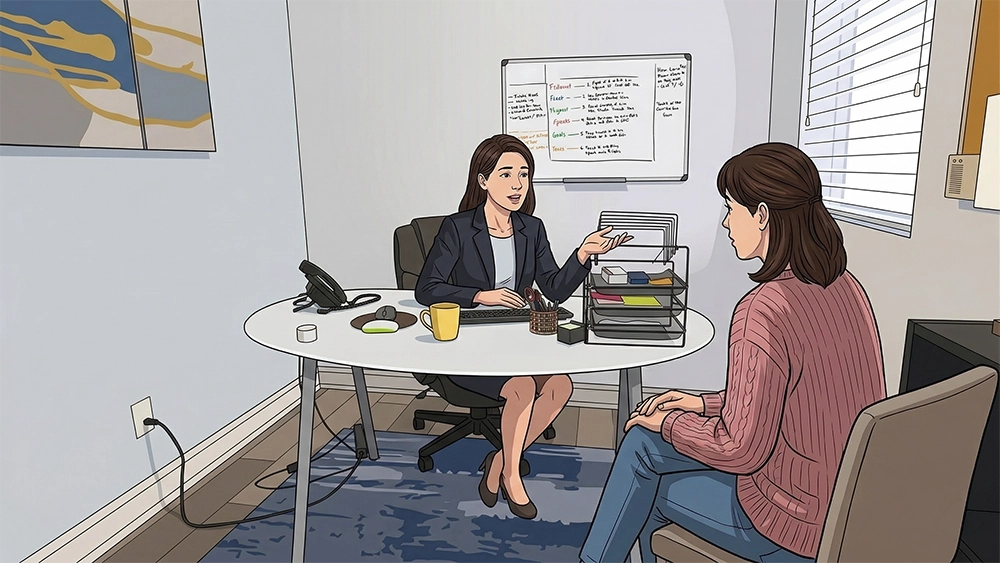
How do symptoms affect the brain and emotions?
The brain is central to alcohol withdrawal. As the nervous system becomes more activated, people may feel mentally foggy, overwhelmed, or unusually sensitive to noise, light, and stress. Emotional symptoms can be just as noticeable as physical ones.
Someone in withdrawal may experience:
- Heightened anxiety
- Irritability
- Restlessness
- Low frustration tolerance
- Difficulty concentrating
- Intense cravings to drink again
Cravings in this stage are not simply about habit. They are often tied to the body's attempt to relieve discomfort quickly. That is one reason alcohol addiction treatment usually needs to continue after the initial withdrawal period ends. Once the body stabilizes, the emotional and behavioral patterns that supported drinking still need attention.
When can alcohol withdrawal become dangerous?
Not every withdrawal episode becomes severe, but alcohol withdrawal carries specific medical risks that should be taken seriously. A history of long-term heavy drinking, previous withdrawal complications, seizure history, older age, or certain medical conditions can all increase concern.
More serious complications may include:
- Seizures
- Hallucinations
- Severe confusion
- Marked blood pressure elevation
- Delirium tremens, sometimes called DTs
Delirium tremens is a medical emergency involving profound confusion, agitation, autonomic instability, and sometimes hallucinations. It does not happen in every case, but the possibility is important enough that self-detox can be unsafe for higher-risk individuals.
What does medical detox actually do for the body?
Medical detox is designed to reduce risk while the body clears alcohol and begins to stabilize. At a supervised detox program, clinical staff can monitor symptoms, check vital signs, and respond if the withdrawal picture starts to worsen.
Support during detox may include:
- Regular assessment of withdrawal severity
- Medications that lower seizure risk or reduce autonomic overactivation
- Hydration and nutritional support
- Observation for sleep disruption, confusion, or rapid symptom escalation
- Referral into the next level of care after stabilization
For some people, the safest plan is detox followed by residential treatment so they can move directly from physical stabilization into therapy and recovery planning without a major gap in care.
What happens after the acute withdrawal phase?
Even after the most intense symptoms ease, the body and brain may need more time to settle. Sleep can stay disrupted for a while. Mood may remain uneven. Cravings can continue, especially when stress or triggers return. That period is one reason people often relapse if withdrawal is treated as the whole problem rather than the beginning of treatment.
Ongoing care after detox may focus on:
- Understanding triggers for drinking
- Building coping skills for stress and cravings
- Addressing depression, anxiety, or trauma symptoms
- Strengthening routines, sleep, and nutrition
- Creating a plan for intensive outpatient or residential follow-up
For people in West Palm Beach and across South Florida, the most effective next step depends on withdrawal risk, home stability, and how severe the alcohol use pattern has become.
How should someone decide whether to detox at home or get help?
The safest answer depends on history, not guesswork. A person who drinks heavily every day, has had prior withdrawal symptoms, or has experienced blackouts, seizures, or medical complications should speak with a professional before trying to stop abruptly.
Even when symptoms seem manageable at first, alcohol withdrawal can change quickly. A structured assessment helps determine whether home management is reasonable or whether medical monitoring is the safer choice.
If you are worried about what your body may do when you stop drinking, Amity Palm Beach can help you evaluate the next step. Our team supports people in Palm Beach, West Palm Beach, and throughout South Florida who need help starting alcohol recovery safely. Call (888) 664-0182 or visit admissions to begin the process toward detox.
Medical disclaimer: This article is for informational purposes only and does not constitute medical advice. Always consult with a healthcare provider for personalized recommendations.
Frequently Asked Questions
What happens during alcohol withdrawal?
When drinking stops after regular heavy alcohol use, the body loses the sedating effect it has adapted to and the nervous system becomes overactive. That can lead to tremors, sweating, anxiety, nausea, elevated blood pressure, and sleep disruption. Symptom severity depends on drinking history, medical status, and prior withdrawals.
How soon do alcohol withdrawal symptoms start?
Symptoms often begin within several hours after the last drink, though the exact timing varies. Early symptoms may appear while alcohol is still leaving the body, and more serious complications can emerge later. A medical evaluation is important when there is a history of heavy daily drinking or prior withdrawal problems.
Why can alcohol withdrawal become dangerous?
Alcohol affects brain signaling involved in calmness and inhibition. Over time the body compensates, so when alcohol is removed suddenly the nervous system can overreact. In some people that causes seizures, hallucinations, or delirium tremens, which require prompt medical attention.
Where can I get help for alcohol withdrawal in West Palm Beach?
In West Palm Beach and the broader Palm Beach area, a licensed detox program can assess withdrawal risk, monitor vital signs, and provide medications or comfort measures when appropriate. That level of support is especially important for people with heavy alcohol use, prior withdrawal complications, or co-occurring medical needs.
What should I do if I think I need alcohol detox?
Call Amity Palm Beach at (888) 664-0182 to talk through your symptoms, recent drinking pattern, and next steps. The admissions team can help you understand whether /programs/detox/, /addiction-treatment/alcohol/, or /programs/residential/ may be appropriate and how to move forward safely.
Sources & References
Read the sources referenced in this article.
- Treatment for Alcohol Problems: Finding and Getting Help — National Institute on Alcohol Abuse and Alcoholism (2025)
- The ASAM Clinical Practice Guideline on Alcohol Withdrawal Management — American Society of Addiction Medicine (2020)
- Alcohol Withdrawal — MedlinePlus (2025)
Amity Palm Beach
Amity Palm Beach