
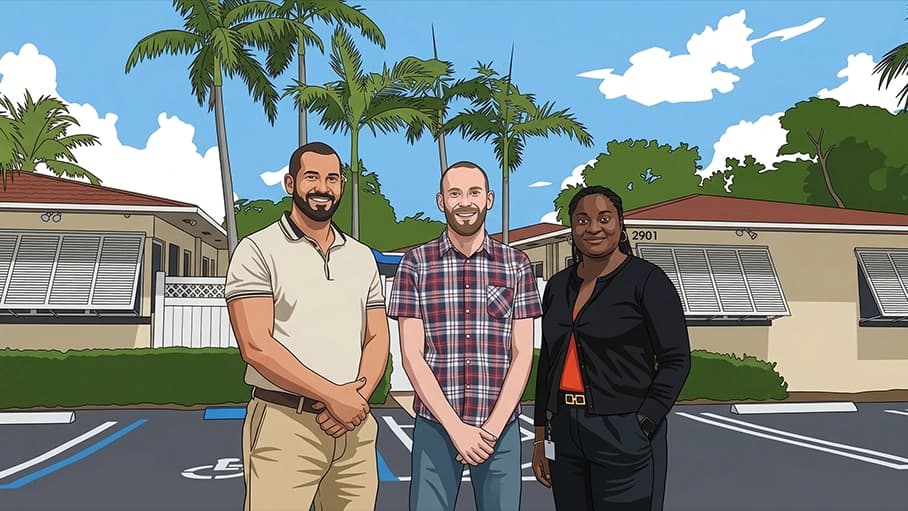
Palm Beach County offers specialized dual diagnosis programs treating co-occurring mental health and substance use disorders through integrated care approaches with experienced treatment teams.
- 1Dual diagnosis treatment addresses both mental health conditions and substance use disorders simultaneously for better outcomes.
- 2Palm Beach County has multiple treatment options including residential, outpatient, and specialized therapy modalities.
- 3Integrated care models improve recovery rates by 30-50% compared to treating conditions separately.
- 4Evidence-based treatments like medication-assisted therapy and cognitive behavioral therapy are standard in quality programs.
- 5Early intervention and comprehensive assessment are critical for developing effective, personalized treatment plans.
Understanding Dual Diagnosis in Palm Beach County
Co-occurring disorders—commonly known as dual diagnosis—affect millions of individuals nationwide, and West Palm Beach and surrounding areas are no exception. When someone struggles with both a mental health condition and a substance use disorder simultaneously, treatment becomes more complex yet absolutely necessary. The good news is that Palm Beach County has developed specialized treatment programs designed specifically to address these interconnected challenges through integrated care models.
A dual diagnosis means a person is managing two separate conditions that require coordinated treatment. Someone might experience depression alongside alcohol dependence, anxiety paired with opioid use, or PTSD combined with stimulant addiction. These conditions frequently develop together because substance use often starts as self-medication for untreated mental health symptoms, while addiction can worsen underlying psychiatric conditions. This cycle requires professional intervention that addresses both components simultaneously.
Why Integrated Treatment Matters
The foundation of effective dual diagnosis care is integration. Rather than treating mental health and substance use as separate issues, comprehensive programs in South Florida recognize these conditions as interconnected and develop unified treatment plans. This approach has demonstrated significantly better outcomes than sequential or parallel treatment methods.
When treatment providers focus on integrated care, they consider how each condition influences the other. For example, someone with depression might use alcohol to cope with negative emotions, creating a cycle where the alcohol dependency worsens depression, which increases substance use. Breaking this cycle requires addressing both the underlying depression and the addictive behavior simultaneously. Evidence-based integrated programs use evidence-backed therapies and medications designed to treat both conditions effectively.
Types of Dual Diagnosis Programs Available
Palm Beach County offers diverse treatment options to meet different needs and circumstances. Residential treatment programs provide intensive, structured environments where individuals live at the facility while receiving comprehensive care. These programs work best for people with moderate to severe cases, unstable home situations, or multiple previous treatment attempts.
Residential programs typically include individual and group therapy, psychiatric care, medical management, educational components about both conditions, family therapy, and discharge planning. The structured environment removes triggers while individuals learn new coping strategies and benefit from 24/7 medical supervision.
For individuals who maintain work, school, or family responsibilities, intensive outpatient programs (IOP) offer flexible scheduling. These programs require several sessions weekly but allow people to remain in their home environment. IOPs work well for people with mild to moderate symptoms and a supportive home situation.
Standard outpatient therapy provides weekly or bi-weekly sessions for ongoing maintenance and recovery. Many people transition to outpatient care after completing more intensive programs as part of their long-term recovery strategy.
Another critical component in Palm Beach County's treatment infrastructure is detoxification services. When someone has been using substances regularly, medical supervision during withdrawal is essential. Professional detox addresses both medical symptoms and begins addressing underlying mental health needs simultaneously, preparing individuals for ongoing treatment.
Evidence-Based Treatment Approaches
Quality dual diagnosis programs in West Palm Beach incorporate multiple evidence-based modalities. Cognitive Behavioral Therapy (CBT) helps individuals identify thought patterns that fuel both mental health symptoms and substance use, then develop healthier coping mechanisms. Dialectical Behavior Therapy (DBT) is particularly effective for co-occurring conditions involving emotional dysregulation.
Medication-Assisted Treatment (MAT) combines medications like buprenorphine, methadone, or naltrexone with behavioral therapy. This approach has strong evidence supporting its effectiveness, particularly for opioid use disorders co-occurring with depression, anxiety, or PTSD. Psychiatric medications addressing underlying mental health conditions are standard components of comprehensive treatment.
Family therapy is often included because family systems significantly impact recovery. Substance use and mental health conditions affect entire families, and involving loved ones in treatment improves outcomes. Family sessions help rebuild relationships, establish healthy boundaries, and create supportive home environments.
Assessment and Personalized Planning
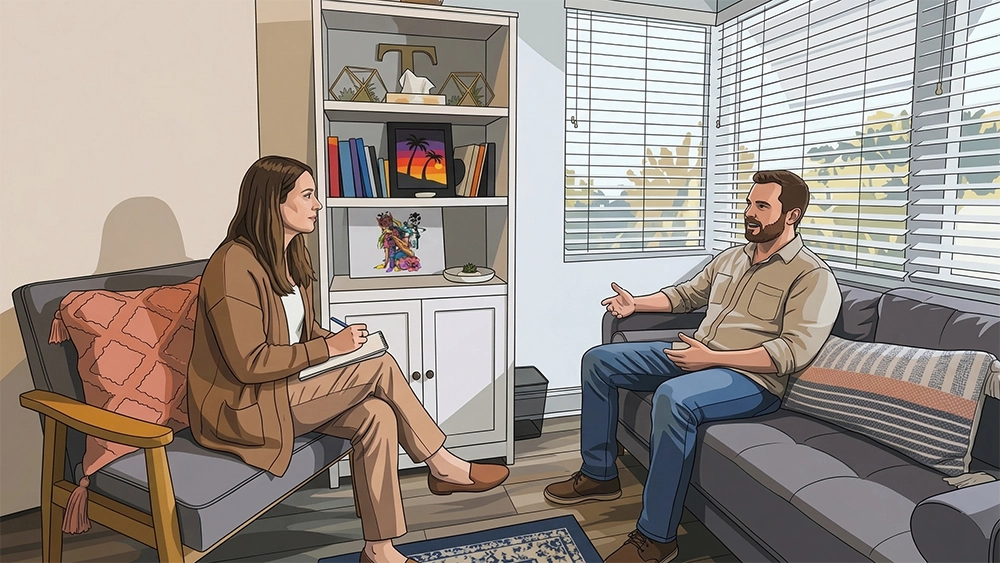
The best dual diagnosis programs begin with thorough assessment. A comprehensive evaluation determines whether someone has dual diagnosis (versus a single condition with secondary symptoms) and identifies the specific mental health and substance use concerns present. This assessment considers medical history, previous treatment, trauma history, medication effectiveness, and psychosocial factors.
Personalized treatment planning follows assessment. Rather than using a one-size-fits-all approach, treatment is tailored to individual needs. Someone with bipolar disorder and cocaine addiction requires different treatment than someone with anxiety and alcohol dependence, even though both have dual diagnosis.
Accessing Dual Diagnosis Treatment in Palm Beach
Learning about dual diagnosis conditions and treatment options is an essential first step. Many people delay seeking help because they don't understand that integrated treatment for co-occurring disorders exists or how to access it.
Most dual diagnosis programs in Palm Beach County accept insurance, including Medicaid, Medicare, and private plans. Sliding scale fees and financial assistance programs make treatment accessible regardless of financial circumstances. Many facilities employ admission coordinators who help navigate insurance, financial options, and program selection.
Your Path to Recovery Starts Today
If you or someone you care about is struggling with co-occurring mental health and substance use challenges, comprehensive dual diagnosis treatment in Palm Beach County can help. Treatment is most effective when started early, before conditions become more entrenched. Professional treatment providers can help you understand your specific situation, discuss available options, and develop a recovery plan tailored to your needs.
Recovery from dual diagnosis is absolutely achievable. With proper treatment addressing both conditions simultaneously, individuals develop genuine healing rather than managing symptoms separately. The integrated care model used in Palm Beach County's best treatment facilities significantly improves the likelihood of sustained recovery and improved quality of life.
Take the first step toward recovery today. Contact our team at (888) 664-0182 to discuss dual diagnosis treatment options in Palm Beach County. Our experienced counselors can answer questions, discuss your specific situation, and help you find the right program for your needs.
Medical disclaimer: This article is for informational purposes only and does not constitute medical advice. Always consult with a healthcare provider for personalized recommendations.
Frequently Asked Questions
What dual diagnosis programs are available in Palm Beach County?
Palm Beach County offers various dual diagnosis programs ranging from intensive residential treatment facilities to outpatient care options. Treatment providers specialize in integrated care that simultaneously addresses co-occurring mental health and substance use disorders using evidence-based methodologies.
How do dual diagnosis programs differ from standard addiction treatment?
Dual diagnosis programs treat co-occurring conditions together rather than separately. They address underlying mental health issues like depression, anxiety, or PTSD alongside substance use, recognizing that these conditions often fuel each other and require coordinated treatment approaches.
What is the success rate of dual diagnosis treatment?
Research shows that integrated dual diagnosis treatment improves outcomes significantly. Studies indicate 30-50% better recovery rates compared to treating conditions separately. Success varies based on program quality, individual commitment, and aftercare engagement.
Are there affordable dual diagnosis options in Palm Beach?
Yes, Palm Beach County has dual diagnosis programs accepting various insurance plans, Medicare, Medicaid, and sliding scale fees. Many facilities offer flexible payment options and financial counseling to make treatment accessible to individuals regardless of income level.
How do I find the right dual diagnosis program in Palm Beach County?
Begin with a comprehensive assessment from a qualified professional who can evaluate your specific mental health and substance use needs. Contact treatment facilities in West Palm Beach and surrounding areas to discuss program options, therapeutic approaches, and how they address your individual situation. Our team at (888) 664-0182 can help guide you through the selection process.
Sources & References
Read the sources referenced in this article.
- Substance Abuse and Mental Health Services Administration (SAMHSA) - Co-occurring Disorders — SAMHSA (2024)
- National Institute on Drug Abuse - Principles of Effective Treatment — NIDA (2024)
- American Psychiatric Association - Dual Diagnosis Treatment Guidelines — American Psychiatric Association (2023)
Amity Palm Beach
Amity Palm Beach