
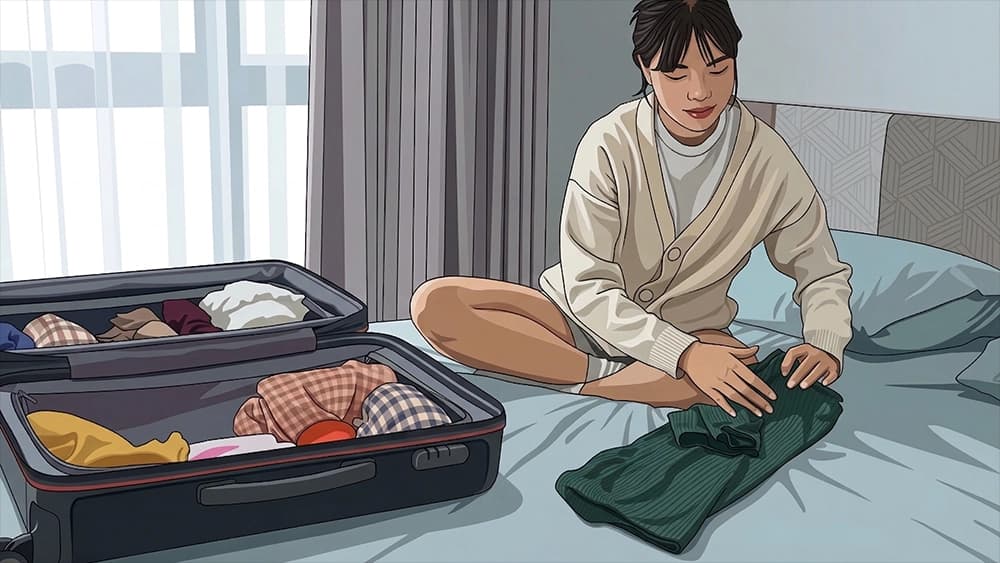
Preparing for residential treatment is easier when people know what to bring, what the first days usually involve, and what daily structure looks like. Clear expectations can reduce pre-admission anxiety and make the transition into care feel more manageable.
- 1Residential treatment works best when the person arrives with a practical plan instead of trying to guess what to expect.
- 2Packing is usually limited to essentials such as comfortable clothing, ID, insurance information, and approved personal items.
- 3The first few days often focus on assessment, orientation, and stabilizing into the program schedule.
- 4Daily life in residential care typically includes therapy, groups, meals, clinical check-ins, and rest.
- 5Admissions teams can answer packing and policy questions before arrival, which helps lower stress.
Entering residential treatment can bring up a lot of uncertainty. People want to know what to bring, what the first few days will feel like, and whether they will be able to settle in quickly enough to focus on recovery. Those concerns are normal, and good preparation can make the transition much easier.
The more someone understands the process ahead of time, the less energy they have to spend on avoidable stress once treatment begins.
What to pack for residential treatment
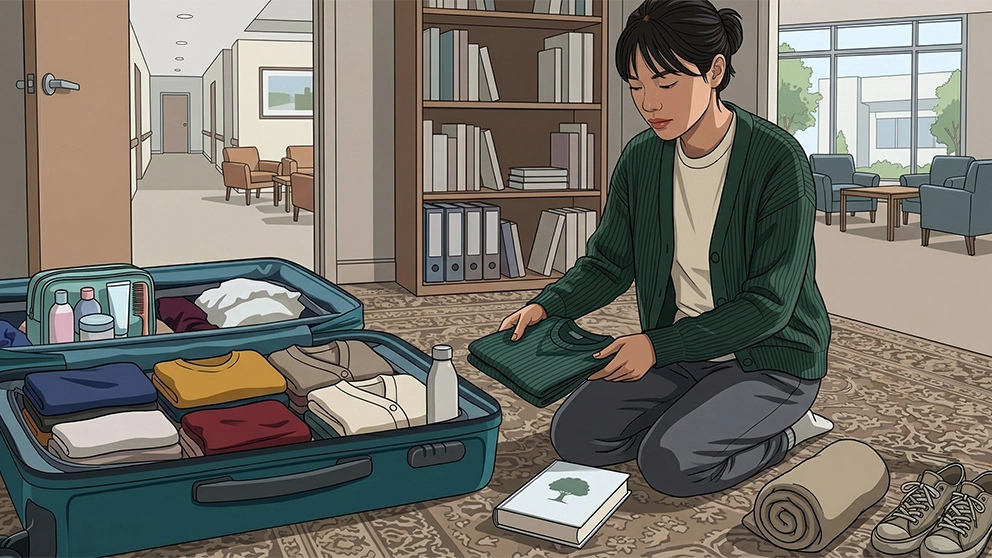
Most programs encourage people to pack simply. Comfortable clothing, basic toiletries, identification, insurance cards, and approved medications are usually the essentials. It also helps to bring items that support routine, such as sleepwear, walking shoes, and a few weather-appropriate layers.
At the same time, residential programs often limit what can be brought inside. Some items are restricted for safety, while others can interfere with treatment structure. That is why it is always worth confirming the packing list with admissions before arrival instead of relying on assumptions.
A practical packing approach is to think in terms of daily routine. The person may need clothes for groups, sleep, light movement, and quiet time. They may also need personal hygiene items that meet program rules. Many facilities require medications to arrive in original packaging or with clear pharmacy labels, so it is better to ask before repacking anything into a pill organizer.
It can also help to leave extra valuables at home. Residential treatment is focused on stability, clinical work, and rest. Bringing only what is needed can make intake smoother and reduce worry about keeping track of belongings while adjusting to a new setting.
What the first few days usually look like
The first phase of residential care is often focused on orientation and assessment. The team may review medical needs, substance use history, mental health symptoms, medications, and treatment goals. People also begin learning the daily schedule, meeting staff, and adjusting to the environment.
For some, this stage feels relieving because the decision-making pressure starts to ease. For others, it can feel disorienting at first. That adjustment period is normal. The structure is there to help the person settle in and begin treatment with fewer unknowns.
The first few days may also include conversations about sleep, nutrition, cravings, withdrawal history, and safety. These details help the team understand what kind of support the person needs right away. If someone is arriving after detox, the team may focus on stabilization, medication continuity, and how to maintain momentum after the acute withdrawal phase.
Families should remember that orientation is not a test. A person does not have to know exactly what to say or have every goal perfectly organized. The early assessment is there to build a plan, not to judge whether someone already understands recovery.
What daily life in residential treatment often includes
Residential care is designed to create consistency. Most days include a balance of therapy, group work, recovery education, meals, clinical check-ins, and time for rest or reflection. The schedule gives people a chance to rebuild routine while staying focused on treatment.
Some people enter residential treatment after detox. Others begin in residential care because they need more structure right away. In both cases, the day-to-day plan is meant to reduce chaos and give recovery work enough stability to take hold.
That structure can feel different from life at home. Phones, visitors, outside commitments, and free time may be handled differently so the person can focus on treatment without the same daily pressures. While that can be uncomfortable at first, it often gives people room to notice patterns that were hard to see in the middle of work, family stress, or active substance use.
Residential treatment also gives the clinical team more opportunities to observe what helps and what gets in the way. Cravings, mood changes, sleep problems, conflict, and avoidance patterns can show up in real time. When staff can respond to those issues during the week, the treatment plan becomes more grounded in what the person is actually experiencing.
That is one reason people should not expect residential treatment to feel passive. The schedule is structured, but the person is still practicing new ways to handle stress, ask for help, participate honestly, and follow a recovery routine. Those small daily practices can become the bridge between treatment and life after discharge.
How admissions can lower pre-treatment stress
One of the easiest ways to reduce anxiety before admission is to ask detailed questions ahead of time. People usually feel more prepared when they know what paperwork to bring, what the schedule looks like, and how communication or belongings are handled once treatment begins.
That is also why admissions support matters. Clear answers before arrival can make the transition feel more manageable and keep the focus on treatment rather than logistics.
Admissions can also help families understand what happens if needs change. Someone may start residential care and later step down into another level of support, or the team may recommend additional services based on assessment findings. Asking about that process early helps everyone understand that treatment planning can evolve as the person stabilizes.
Insurance and arrival timing are another part of preparation. If benefits need to be verified, medications need to be reviewed, or transportation needs to be coordinated, those details are easier to handle before the person is standing at the door. A few clear calls before admission can prevent unnecessary delays.
Preparing for a smoother start
If you or a loved one is getting ready for residential treatment, the best next step is to speak with the admissions team directly. They can explain what to bring, what to expect in the first days, and how the program is structured from the moment someone arrives.
It is also worth writing down questions before calling. Families often want to know about clothing, medications, communication, visitation, meals, schedules, and what happens after residential care. Having those questions ready makes the conversation more useful and helps the person entering treatment feel less like they are walking into the unknown.
Call Amity Palm Beach at (888) 664-0182 to talk through residential treatment, detox needs, and the practical details of getting started.
Related care paths
Frequently Asked Questions
What should I usually bring to residential rehab?
Most people need comfortable clothing, toiletries that meet program rules, prescribed medications in original packaging when requested, identification, and insurance information.
What should I leave at home?
Programs often restrict outside substances, sharp objects, electronics in some settings, and items that could interfere with treatment or safety. Each facility has its own policy.
What happens in the first few days?
The first days usually involve intake, clinical assessment, orientation, schedule review, and beginning therapy and recovery planning.
Will I be in therapy every day?
Residential treatment usually includes a structured daily schedule with therapy, group sessions, recovery education, and regular staff support.
How do I prepare for admission in Palm Beach County?
Call Amity Palm Beach at (888) 664-0182 to ask about [residential treatment](/programs/residential), [detox](/programs/detox), and [admissions](/admissions).
Sources & References
Read the sources referenced in this article.
- Treatment for Substance Use Disorders — SAMHSA (2025)
- Principles of Drug Addiction Treatment: A Research-Based Guide — NIDA (2018)
- The ASAM Criteria — ASAM (2024)
Amity Palm Beach
Amity Palm Beach