
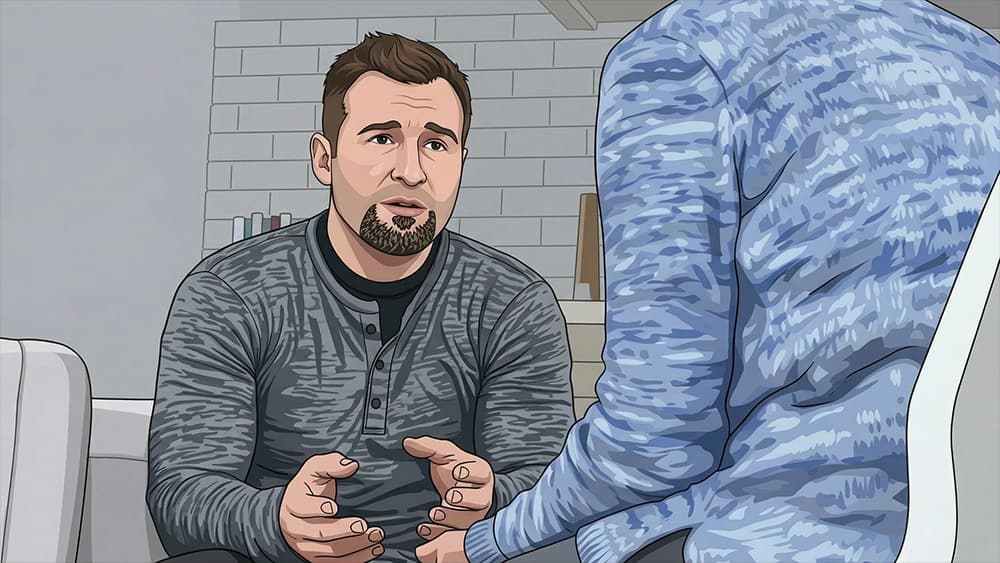
ADHD and addiction can be treated at the same time when care is coordinated carefully. Treatment planning usually focuses on safety, symptom clarity, medication history, and how to build recovery support without ignoring attention and impulse-control symptoms.
- 1ADHD symptoms and substance use can reinforce each other, especially around impulsivity, focus, and emotional regulation.
- 2Treating addiction without addressing ADHD can leave major relapse triggers in place.
- 3Medication decisions require clinical judgment, especially when stimulant misuse or opioid use is part of the history.
- 4Integrated treatment often combines therapy, structure, skills work, and medication review.
- 5A dual diagnosis assessment can clarify whether residential or step-down care makes the most sense.
ADHD and addiction often show up together in ways that make life feel chaotic. Trouble focusing, impulsive decisions, emotional swings, unfinished responsibilities, and attempts to self-manage stress can all push recovery off course if the treatment plan only addresses substance use. That is why many families ask whether both issues can be treated at once.
The answer is yes, but the plan has to be thoughtful. Clinicians need to look closely at medication history, current substance use, and how ADHD symptoms show up in daily life.
That overlap is what makes the question so common. Some people are trying to figure out whether poor focus is part of ADHD, the after-effects of substance use, or both. Others are worried that treating one problem will make the other worse. The right plan addresses those concerns instead of forcing a false choice.
Why the two problems often overlap
ADHD can affect attention, planning, emotional regulation, and impulse control. Those same challenges can make substance use harder to interrupt. Some people use alcohol or drugs to slow down racing thoughts, improve focus temporarily, or manage frustration. Over time, that coping pattern can become part of the addiction cycle.
At the same time, active substance use can also make ADHD symptoms harder to read. Sleep disruption, withdrawal, anxiety, and inconsistent routines can all make concentration and restlessness worse. That is why a strong clinical assessment matters.
Symptoms like restlessness, impulsive decisions, unfinished tasks, emotional reactivity, and sleep problems can show up in both conditions. The difference is not always obvious until a clinician looks at the timing and pattern of symptoms over time. A person may seem more disorganized during heavy use, then appear more distracted once they begin to stabilize, which is why careful follow-up matters.
How clinicians sort out the picture
One of the first goals is understanding whether ADHD symptoms were present before the substance use escalated or whether the current symptoms are mostly being driven by active use, withdrawal, or another mental health condition. That history helps clinicians make better medication and therapy decisions.
This matters because some people have a history of stimulant misuse or may be recovering from opioid use disorder at the same time. In those cases, medication choices need to be made carefully. Treatment may include a non-stimulant approach, a delayed medication decision until the person is more stable, or structured monitoring if stimulant medication is considered later.
Clinicians also ask about school performance, work consistency, and family observations because those details can show whether attention issues were long-standing or primarily substance-related. If symptoms were present long before addiction became severe, that changes the treatment conversation. If they began during active use, the team may focus more heavily on stabilization, sleep, and recovery structure first.
What integrated treatment usually includes
Treating ADHD and addiction together usually means combining several forms of support instead of looking for one solution. The plan may include therapy for impulse control and coping skills, relapse prevention work, routines that reduce chaos, medication review, and support for co-occurring anxiety or depression when needed.
For some people, a higher level of structure is the best place to start. Residential treatment can provide that structure while the team sorts through diagnosis, medication concerns, sleep, and recovery routines. Others may enter through dual diagnosis programming and step into less intensive care later.
Integrated care often works best when the plan is practical rather than abstract. That can mean predictable wake-up times, written reminders, a limited number of daily priorities, and therapy focused on real-world skills like stopping impulsive choices, managing frustration, and asking for help before a situation becomes a crisis.
Families can help by keeping the conversation practical too. The most useful question is usually not whether the person has "real ADHD" or "just addiction," but what support makes daily life steadier right now and how the team can tell whether that support is working.
Why medication concerns need careful handling
Medication questions are often the biggest source of anxiety for families. People worry that treating ADHD could conflict with recovery or that stopping all ADHD treatment will leave the person unable to function. Both concerns are understandable.
The safest approach is individualized. Clinicians look at misuse history, recovery stability, current symptoms, and whether attention problems are driving relapse risk. The goal is not to avoid the issue. It is to treat both conditions in a way that reduces harm and improves daily functioning.
Medication does not have to be treated as all-or-nothing. Some people do better with a non-stimulant option, some benefit from waiting until recovery is steadier, and some need a tighter monitoring plan rather than a broad open-ended prescription. The clinical question is not whether medication is perfect. It is whether the overall plan is safer and more stable than leaving both conditions untreated.
What a good assessment includes
A careful assessment usually looks at more than current symptoms. It should cover when attention problems started, how they affected school or work, whether substance use changed the picture, and whether sleep or anxiety are making symptoms worse.
Useful questions often include:
- Did focus problems exist before alcohol or drug use escalated?
- Are symptoms worse during withdrawal, stress, or poor sleep?
- Has the person tried school, work, or home routines that made the pattern clearer?
- Are there family members who can describe changes over time?
Those details help the team decide whether a more structured setting is needed right away or whether outpatient dual diagnosis care is a good fit first.
Getting help in Palm Beach County
If ADHD symptoms and addiction seem to be feeding each other, it makes sense to address both directly. A clinical assessment can help clarify what is really happening, what level of care fits best, and how medication decisions should be approached.
Call Amity Palm Beach at (888) 664-0182 to ask about dual diagnosis care, opioid treatment, and residential support. The team can help you understand the next step instead of trying to untangle the problem alone.
Related care paths
Frequently Asked Questions
Can ADHD and addiction really be treated together?
Yes. In many cases that is the safest approach because untreated ADHD symptoms can make recovery harder to maintain and untreated substance use can make ADHD symptoms harder to evaluate.
Do stimulant medications always have to stop?
Not always. Medication decisions are individualized. Clinicians consider misuse history, current stability, other substances involved, and whether non-stimulant options may be a better fit.
Why is diagnosis sometimes complicated early in recovery?
Active substance use, withdrawal, poor sleep, and high stress can all mimic or worsen ADHD-like symptoms. A careful clinical timeline helps sort that out.
What kind of treatment is usually included?
Treatment may include therapy, relapse prevention, executive function support, medication review, and a more structured schedule to reduce impulsive decision-making.
How do I start treatment in Palm Beach County?
Call Amity Palm Beach at (888) 664-0182 to ask about dual diagnosis, opioid treatment, and residential treatment.
Sources & References
Read the sources referenced in this article.
- Substance Use and Co-Occurring Mental Disorders — NIMH (2024)
- Adults With Attention Deficit Hyperactivity Disorder and Substance Use Disorders — SAMHSA (2015)
- The ASAM Criteria — ASAM (2024)
Amity Palm Beach
Amity Palm Beach