

Alcohol withdrawal can be fatal in severe cases because it may lead to seizures, delirium tremens, dangerous blood pressure changes, dehydration, and other medical complications. Professional assessment is important whenever withdrawal risk is more than mild.
- 1Alcohol withdrawal can become a medical emergency, especially after heavy or long-term use.
- 2Seizures and delirium tremens are two of the most dangerous complications clinicians watch for.
- 3The first several days after the last drink are especially important for monitoring severe symptoms.
- 4Medical detox can reduce danger by providing medication, fluids, and rapid intervention.
- 5People with prior withdrawal complications should not rely on a home-only plan.
One of the most important questions families ask is also one of the most urgent: can alcohol withdrawal be fatal? The answer is yes. Not every case becomes life-threatening, but severe alcohol withdrawal can cause medical complications that require immediate treatment.
That is why alcohol withdrawal should be treated as a safety issue first and a comfort issue second. The goal is not just to get through symptoms. It is to prevent the situation from becoming dangerous.
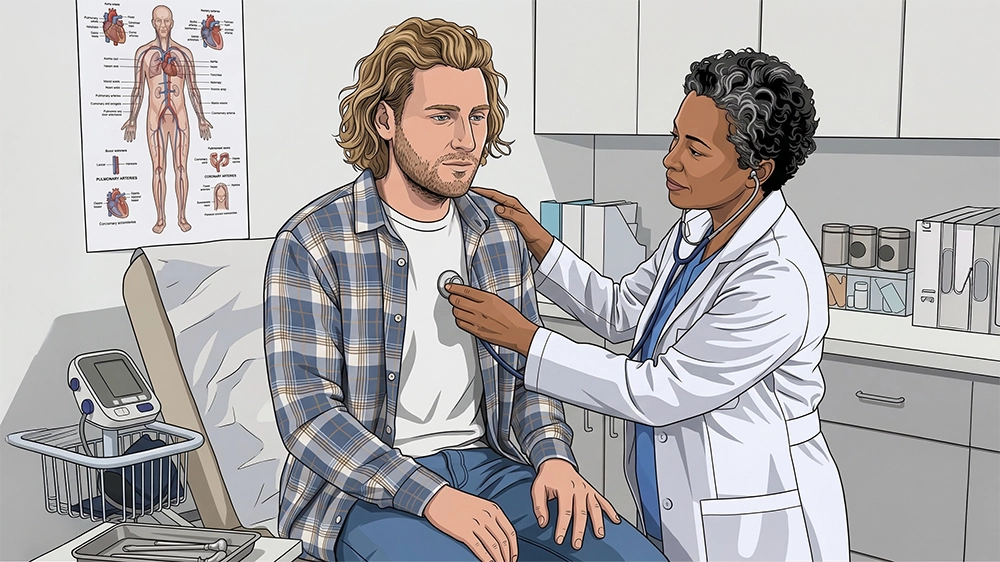
Why alcohol withdrawal can become dangerous
When someone has been drinking heavily for a prolonged period, the brain and body adapt to alcohol being present. If alcohol use suddenly drops or stops, the nervous system can rebound too aggressively. That rebound can lead to tremors, severe anxiety, vomiting, confusion, sweating, rapid heart rate, and unstable blood pressure.
In more serious cases, withdrawal may involve seizures or delirium tremens. Delirium tremens can include confusion, hallucinations, agitation, fever, and dangerous autonomic instability. Those complications are why alcohol withdrawal is often treated more cautiously than people expect.
The high-risk window clinicians watch
Alcohol withdrawal often starts within hours after the last drink, but the most severe symptoms may not show up immediately. The first few days are especially important because symptoms can escalate after an initial period that looks manageable.
That is one reason home-only plans can be risky. Someone may feel like they can push through early symptoms and then worsen quickly once dehydration, blood pressure changes, seizures, or confusion begin to build.
How medical detox lowers the risk
Medical detox does more than provide observation. It allows clinicians to manage symptoms with medication, monitor vital signs, address hydration and nutrition, and respond early if the withdrawal picture becomes unstable.
At Amity Palm Beach, a person who needs detox may also need planning for what comes next, whether that is alcohol treatment or residential care. Detox is the start of the recovery plan, not the full treatment answer on its own.
When families should take action quickly
It is worth seeking professional help immediately if the person has a history of withdrawal seizures, prior detox complications, heavy daily drinking, co-occurring sedative use, or serious medical conditions. It is also time to escalate fast if confusion, hallucinations, fainting, uncontrolled vomiting, or seizures are present.
Waiting to “see if it passes” can turn a dangerous withdrawal into an emergency. A clinical assessment gives families a clearer answer about whether home support is enough or whether monitored detox is the safer path.
What severe withdrawal can look like
Severe withdrawal is more than discomfort. It can start with tremors, sweating, nausea, anxiety, and poor sleep, then move into vomiting, agitation, confusion, hallucinations, or a seizure. The reason clinicians take it seriously is that the situation can change quickly once the nervous system starts to rebound. A person who looks tired and shaky in the morning can look much more unstable later the same day.
The risk is higher when there has been long-term heavy drinking, previous withdrawal trouble, or concurrent sedative use. A person with a history of seizures, delirium tremens, or repeated detox episodes may need more caution even if the current symptoms seem manageable at first. The safest approach is to treat the whole pattern as a medical risk, not just the last drink.
What a professional assessment looks at
A good assessment starts with timing and history: how much the person drinks, when the last drink was, whether they have ever had a seizure or delirium tremens, and whether any other substances are involved. Clinicians also want to know whether the person can keep fluids down, stay oriented, and get help quickly if symptoms worsen.
That information matters because withdrawal risk is not the same for everyone. A person with heavy daily use and a prior detox complication may need monitored detox, while someone with lighter use and a stable home may be able to use a less intensive plan. The point of the assessment is to sort out those differences before an emergency happens.
How detox connects to the next stage
Detox is only the first part of the plan. Once the acute medical danger has passed, the team still has to figure out what will keep the person supported. Some people need structured residential support because the home environment is not stable enough yet. Others can step into outpatient treatment if the withdrawal risk has settled and the next level of support is realistic.
That is why families should think about detox and treatment together. If the person is stabilized but has no plan after discharge, the gap between emergency care and ongoing recovery can become the next problem. A good detox plan already includes the next level of care, not just the first day.
When to seek help quickly
If the person is confused, hallucinating, having a seizure, or vomiting uncontrollably, emergency care is the right move. Even before that point, a same-day assessment is smart if the person has a serious drinking history, prior withdrawal complications, or symptoms that seem to be accelerating instead of improving.
Why the first few days matter
The most severe symptoms often do not peak immediately. The first several days after the last drink are the period when withdrawal can escalate after an early warning phase. That is why home-only plans are risky when history suggests more than mild withdrawal. People can look "okay enough" and then become unstable once dehydration, blood pressure changes, or seizure activity starts to build.
If the family is already worried enough to ask whether withdrawal could be fatal, that is usually a sign to stop guessing and get a clinical opinion. A monitored setting can reduce danger, answer the question faster, and connect the person to the next step once the acute risk is under control.
What families can do while waiting for help
While waiting for detox admission or an assessment, families can gather the medication list, note the last drink time, and write down any past withdrawal complications. They can also avoid arguing about whether the person "should be able to handle it" and instead focus on getting the safest next step in place. When the history is clear, the clinical team can move faster and make a better recommendation.
If symptoms are still mild but risk is high, that preparation matters. People often underestimate how quickly withdrawal can change once dehydration, confusion, or seizures begin. A little planning before the call can make the difference between an efficient admission and a delayed response.
Finding help in Palm Beach County
If you are worried that alcohol withdrawal may become dangerous, call Amity Palm Beach at (888) 664-0182. The team can talk through symptoms, explain detox options, and help you understand the next safest step.
Related care paths
Frequently Asked Questions
Can alcohol withdrawal kill you?
Yes. Severe withdrawal can become life-threatening, especially if seizures, delirium tremens, dehydration, or major blood pressure changes develop.
Who is most at risk?
Risk tends to be higher for people with long-term heavy alcohol use, past withdrawal complications, co-occurring medical issues, or concurrent sedative use.
What symptoms need urgent attention?
Confusion, hallucinations, seizures, fainting, severe vomiting, chest symptoms, and rapidly worsening agitation all need urgent medical evaluation.
Is home detox safe?
Home detox may be unsafe when risk is more than mild. A professional assessment is the safest way to determine the right setting.
Where can I get help in Palm Beach County?
Call Amity Palm Beach at (888) 664-0182 to ask about detox, alcohol treatment, and residential care.
Sources & References
Read the sources referenced in this article.
- Alcohol Withdrawal Syndrome — NCBI Bookshelf (2024)
- Treatment for Alcohol Problems: Finding and Getting Help — NIAAA (2024)
- TIP 45: Detoxification and Substance Abuse Treatment — SAMHSA (2015)
Amity Palm Beach
Amity Palm Beach