
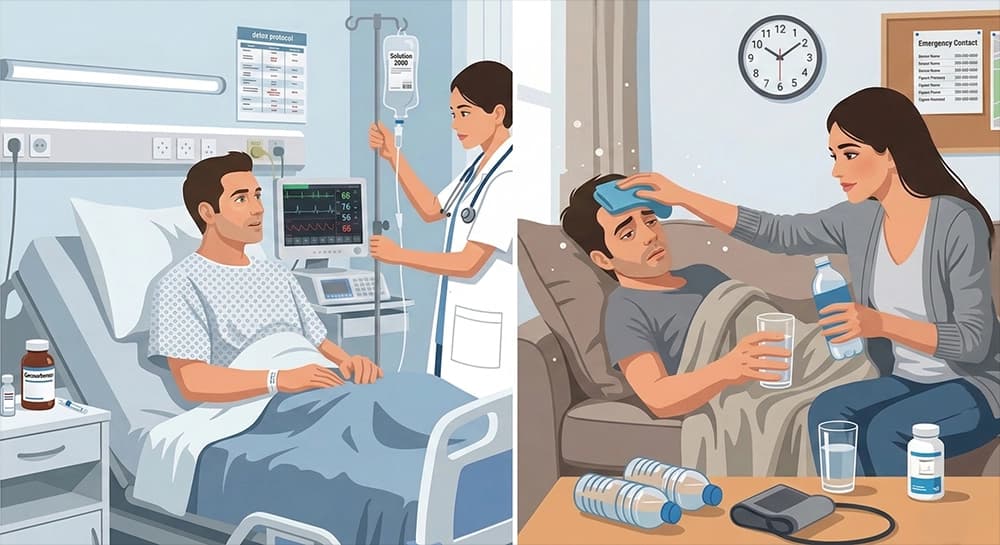
Medical detox provides 24/7 monitoring, medication support, and emergency response during alcohol withdrawal, while at-home detox lacks clinical oversight and carries serious safety risks for moderate to severe cases.
- 1At-home alcohol detox carries unpredictable risks including seizures and delirium tremens that require immediate medical care.
- 2Medical detox provides medication management, hydration support, and real-time symptom monitoring throughout withdrawal.
- 3People with heavy daily use, prior complicated withdrawals, or co-occurring conditions should pursue supervised detox.
- 4Comfort and safety during detox are significantly improved with clinical oversight compared to managing alone.
- 5Medical detox connects directly to ongoing treatment planning, reducing gaps between withdrawal and recovery care.
Deciding how to stop drinking is one of the most important safety decisions a person or family can make. In West Palm Beach, many people weigh whether to attempt alcohol withdrawal at home or seek supervised care, and the difference between those two paths can be significant. Understanding the medical detox vs at-home detox for alcohol comparison helps clarify which option matches the level of risk involved.
The core question is not whether withdrawal will be uncomfortable. It is whether complications can be identified and treated quickly enough to prevent a medical emergency. That distinction drives the clinical recommendation for most people with moderate to heavy alcohol use.
Why alcohol withdrawal carries medical risk
Alcohol suppresses the central nervous system. With chronic use, the brain increases excitatory activity to compensate. When alcohol is suddenly removed, the nervous system rebounds into a hyperexcitable state that produces tremors, anxiety, sweating, rapid heart rate, and in serious cases, seizures or delirium tremens.
NIH MedlinePlus notes that alcohol withdrawal symptoms can start within hours of the last drink, and the most dangerous period is typically the first 24 to 72 hours. NIH MedlinePlus The severity of withdrawal depends on drinking history, prior withdrawal experiences, overall health, and whether other substances are involved.
This unpredictability is the central concern with at-home alcohol detox risks. What starts as manageable discomfort can escalate quickly, and without clinical tools or monitoring, the warning signs are easy to miss.
What at-home detox looks like in practice
At-home detox typically means stopping or reducing alcohol without professional oversight. A person may try to taper on their own, rely on over-the-counter remedies for symptoms, or simply stop drinking and wait for withdrawal to pass. Family members sometimes monitor from nearby, but without medical training, recognizing early warning signs of complications is difficult.
The practical challenges of at-home detox include:
- No access to withdrawal medications that reduce seizure risk and manage symptoms
- No vital sign monitoring to catch dangerous changes in heart rate or blood pressure
- Limited hydration and nutrition support during a period when the body is depleted
- No emergency response plan if symptoms escalate to seizures or confusion
- Higher likelihood of returning to drinking to stop the discomfort
For people with mild alcohol use and no history of complicated withdrawal, at-home detox may carry lower risk. But for anyone with daily heavy use, prior seizures, or co-occurring medical conditions, the risks of unsupervised withdrawal are substantial.
What medical detox provides
Medical detox takes place in a clinical setting with trained staff who monitor symptoms around the clock. The environment is designed to manage the acute phase of withdrawal safely while preparing the person for ongoing care.
Key elements of supervised medical detox include:
- Symptom-triggered medication protocols that adjust dosing based on real-time assessment scores
- Continuous vital sign monitoring to detect changes before they become emergencies
- IV hydration and electrolyte management to correct imbalances caused by chronic alcohol use
- Thiamine and nutritional supplementation to reduce the risk of neurological complications
- Clinical reassurance and sleep support that improve comfort and reduce the urge to leave early
SAMHSA's TIP 45 outlines that medically managed withdrawal should match the level of supervision to the clinical risk, with higher-risk patients receiving more intensive monitoring and medication support. SAMHSA
Comparing the two approaches side by side
The differences between medical detox and at-home detox become clearer when examined across key factors:
- Safety: Medical detox provides emergency response capability. At-home detox relies on calling 911 if something goes wrong.
- Medication access: Supervised settings use benzodiazepines and other agents to manage symptoms. At home, these medications are not available.
- Monitoring: Clinical teams track symptoms with validated tools every few hours. At home, monitoring depends on an untrained observer or the person in withdrawal.
- Comfort: Medical detox manages nausea, anxiety, insomnia, and pain proactively. At home, comfort measures are limited.
- Continuity of care: Medical detox connects directly to treatment planning. At-home detox often ends without a follow-up plan.
Who should choose medical detox
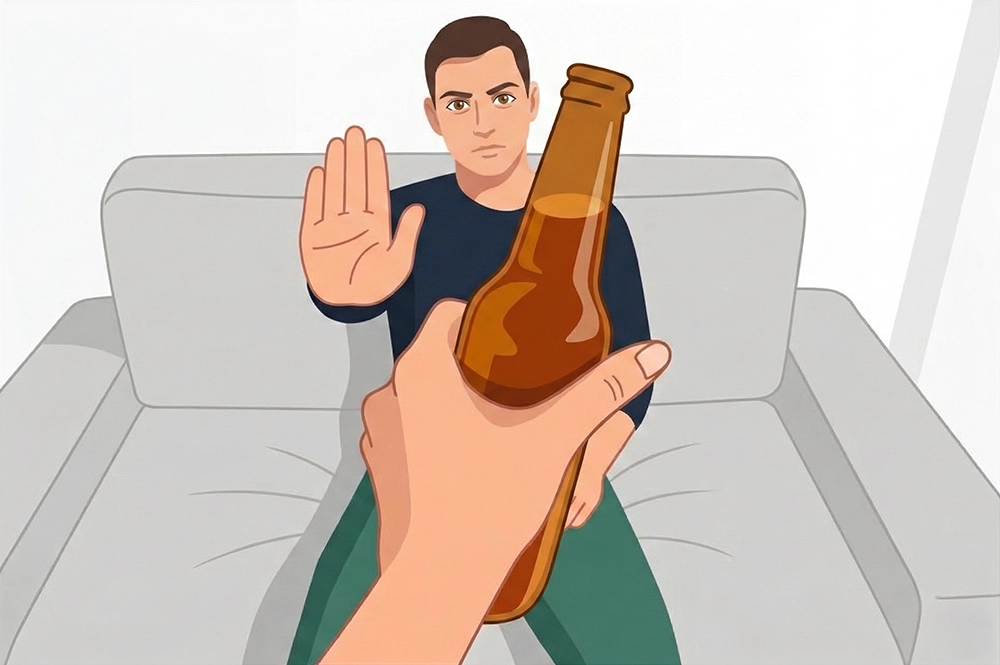
Certain risk factors strongly favor supervised care. A clinical evaluation should be the starting point for anyone with:
- Daily heavy drinking or extended binge patterns
- Prior seizures, hallucinations, or delirium tremens during withdrawal
- Co-occurring medical conditions such as liver disease, cardiovascular issues, or diabetes
- Concurrent use of other substances including benzodiazepines or opioids
- Limited support at home or inability to access emergency care quickly
- Previous unsuccessful attempts to stop drinking without support
Even without a prior complication, the unpredictability of alcohol withdrawal makes medical detox the safer choice for most people with moderate to heavy use. The clinical team can scale the level of intervention up or down based on how the person responds.
For people who are unsure about the level of risk they face, a brief clinical assessment can clarify whether supervised care is warranted. Many people who initially considered at-home detox ultimately choose medical supervision once the risks are explained by a clinical professional. This is not a sign of weakness. It is a practical decision that reflects the medical reality of alcohol withdrawal.
What happens after detox
Detox manages the acute withdrawal phase but does not address the underlying alcohol use disorder. Without ongoing treatment, the risk of returning to drinking remains high, particularly in the first weeks after withdrawal when mood instability, sleep disruption, and cravings are common.
A coordinated transition into residential treatment or a structured outpatient program provides the therapy, relapse-prevention planning, and accountability that support sustained recovery. The best outcomes occur when the transition from detox to treatment is planned before detox begins, not decided in the moment.
For many people in West Palm Beach, the detox period also serves as an opportunity to begin addressing co-occurring needs. Anxiety, depression, and trauma histories that contributed to drinking often surface during early recovery. Identifying these issues during detox helps shape a treatment plan that addresses the full picture.
Common concerns about medical detox
Families often have practical questions about what supervised detox involves:
- Length of stay: Most medical alcohol detox programs last three to seven days depending on severity.
- Comfort level: Clinical teams actively manage symptoms to keep the process as tolerable as possible.
- Privacy: Detox programs maintain confidentiality protections required by federal regulations.
- Insurance: Many plans cover medical detox as a medically necessary service.
These concerns are reasonable, and addressing them upfront helps people move forward with a decision rather than delaying care. The admissions team at Amity Palm Beach can walk through each of these questions during an initial conversation so nothing feels uncertain when it is time to begin.
Taking the next step in West Palm Beach
If you or someone in your family is considering stopping alcohol use, the safest first step is a clinical assessment that determines the appropriate level of care. Call (888) 664-0182 to speak with an admissions counselor at Amity Palm Beach, or verify your insurance to understand coverage options before scheduling an evaluation.
This content is for informational purposes only and does not constitute medical advice. Please consult a qualified healthcare professional for personalized guidance.
Frequently Asked Questions
What is the difference between medical detox and at-home detox for alcohol?
Medical detox takes place in a supervised clinical setting with 24/7 monitoring, medication support, and immediate access to emergency care. At-home detox means stopping alcohol without professional oversight, which limits access to medications and increases risk if complications develop unexpectedly.
Is it safe to detox from alcohol at home?
For people with mild use and no prior complications, some manage withdrawal at home. However, moderate to severe alcohol withdrawal can produce seizures, delirium tremens, and dangerous vital sign changes without warning. A clinical assessment is the safest way to determine whether home detox is appropriate.
What medications are used in medical alcohol detox?
Doctors commonly use benzodiazepines to manage withdrawal severity and reduce seizure risk. Anticonvulsants, blood pressure medications, anti-nausea agents, and thiamine supplementation are also used as needed. Medication protocols are adjusted based on symptom progression throughout the detox period.
How long does medical alcohol detox take?
The acute phase of alcohol detox typically lasts three to seven days depending on drinking history, symptom severity, and medical needs. Some people stabilize quickly while others require a longer taper. After the acute phase, transition to ongoing treatment supports continued recovery.
How do I start medical detox at Amity Palm Beach?
Call Amity Palm Beach at (888) 664-0182 to speak with an admissions counselor about your situation. The team can explain detox options, help verify insurance, and coordinate a safe plan for medically supervised withdrawal in West Palm Beach.
Sources & References
Read the sources referenced in this article.
- Alcohol Withdrawal — NIH MedlinePlus (2023)
- TIP 45: Detoxification and Substance Abuse Treatment — SAMHSA (2015)
Amity Palm Beach
Amity Palm Beach