
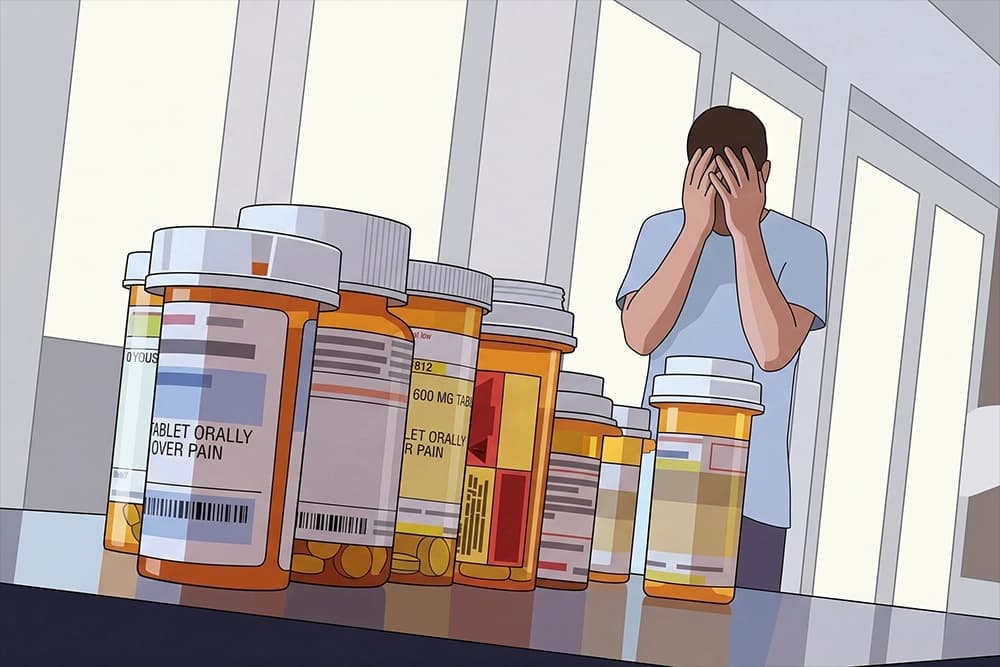
Medication-assisted treatment works best when paired with behavioral therapy. Medication stabilizes brain chemistry and reduces cravings, while therapy builds coping skills and addresses the psychological roots of opioid use disorder.
- 1Medication-assisted treatment reduces cravings and withdrawal risk, but does not address the behavioral and psychological dimensions of opioid use disorder.
- 2Behavioral therapies like CBT and contingency management help people develop practical skills for managing triggers and sustaining recovery.
- 3Integrated treatment plans that combine MAT with counseling are associated with better retention and reduced return to use.
- 4Therapy supports the transition from stabilization to long-term recovery by addressing co-occurring mental health needs and relapse prevention.
- 5An individualized plan that balances medication, therapy, and recovery supports offers the strongest foundation for sustained progress.
A person stabilized on buprenorphine may feel physically better within days — fewer cravings, less withdrawal discomfort, and a return of normal sleep. That stabilization is clinically meaningful. But for many people with opioid use disorder, the patterns that led to opioid use remain untouched by medication alone. The stressors, the relationships, the automatic responses to discomfort — those require a different kind of work. In West Palm Beach, where access to both medication and therapy services continues to expand, the question is not whether to use MAT or therapy. It is how to use them together in a way that addresses the full scope of opioid use disorder.
NIDA's treatment principles emphasize that medications are most effective when combined with behavioral therapies as part of a comprehensive treatment approach (NIDA). This integration is not a preference or a philosophy — it is the clinical standard supported by decades of outcome data.
What Does MAT Address on Its Own?
Medication-assisted treatment for opioid use disorder uses FDA-approved medications — primarily buprenorphine, methadone, and naltrexone — to stabilize brain chemistry and reduce the physiological drive to use opioids. These medications work through different mechanisms, but their shared purpose is to lower the biological barriers to recovery.
MAT can effectively:
- Reduce or eliminate opioid cravings
- Prevent withdrawal symptoms during stabilization
- Lower the risk of overdose
- Improve treatment retention compared to non-medication approaches
What medication does not do is teach someone how to manage a triggering situation, repair a strained relationship, or develop new routines that support a life without opioid use. The CDC notes that medications for opioid use disorder are most effective as part of a broader treatment plan that includes counseling (CDC).
Why Is Therapy a Necessary Complement?
Opioid use disorder involves more than physical dependence. Over time, opioid use reshapes a person's coping mechanisms, decision-making patterns, social relationships, and emotional regulation. Medication addresses the neurochemical component, but behavioral therapy is what helps a person build the skills and insight needed for sustained recovery.
Addressing Triggers and High-Risk Situations
Therapy helps people identify the specific circumstances — stress, certain environments, emotional states, social pressures — that are most likely to lead to cravings or return to use. Through structured approaches like cognitive-behavioral therapy (CBT), individuals learn to recognize these patterns and develop alternative responses. This skill-building is practical and concrete, focused on real situations rather than abstract concepts.
Building Coping Skills
Many people with opioid use disorder have relied on substances as their primary coping mechanism for an extended period. Therapy introduces and reinforces healthier strategies for managing discomfort, including stress management techniques, emotional regulation skills, and problem-solving approaches that reduce the impulse to use.
Supporting Motivation and Engagement
Motivational interviewing helps people explore and strengthen their own reasons for change. This approach is particularly valuable early in treatment when ambivalence is common. Rather than imposing external pressure, it draws out the person's internal motivation and aligns treatment goals with their own values.
What Does the Research Show About Combined Treatment?
The evidence supporting combined medication-assisted treatment and therapy is consistent across multiple studies and clinical guidelines.
SAMHSA describes the ideal MAT program as one that includes medication, counseling, and recovery support services delivered together (SAMHSA). Research consistently shows that people who receive both medication and behavioral therapy:
- Stay in treatment longer than those receiving medication alone
- Have lower rates of return to opioid use
- Show greater improvements in employment, social functioning, and mental health
- Report higher satisfaction with their treatment experience
These outcomes are not surprising when you consider that medication and therapy target different dimensions of the same disorder. Medication reduces the biological pull toward opioids, while therapy addresses the behavioral and environmental factors that sustain the cycle.
What Types of Therapy Work Best with MAT?
There is no single therapy that fits every person in medication-assisted treatment. The most effective approach depends on the individual's clinical presentation, co-occurring conditions, and treatment setting. Several evidence-based therapies have strong support when paired with MAT for opioid use disorder.
Cognitive-Behavioral Therapy (CBT)
CBT helps individuals identify distorted thinking patterns and develop practical skills for managing cravings and high-risk situations. It is one of the most widely studied therapies for substance use disorders and is effective across different levels of care.
Contingency Management
This approach provides tangible incentives for positive behaviors, such as attending appointments, providing negative drug screens, or meeting treatment goals. Research shows that contingency management improves treatment retention and reduces substance use during active treatment.
Group Counseling
Group therapy provides peer accountability, shared learning, and a sense of connection that individual therapy alone may not offer. Many MAT programs incorporate structured group sessions focused on relapse prevention, coping skills, and interpersonal communication.
Trauma-Informed Approaches
For people with histories of trauma — which is common among those with opioid use disorder — trauma-informed therapies help address the underlying experiences that drive substance use without retraumatization. These approaches may be integrated into individual or group sessions.
How Are Co-Occurring Mental Health Conditions Managed?
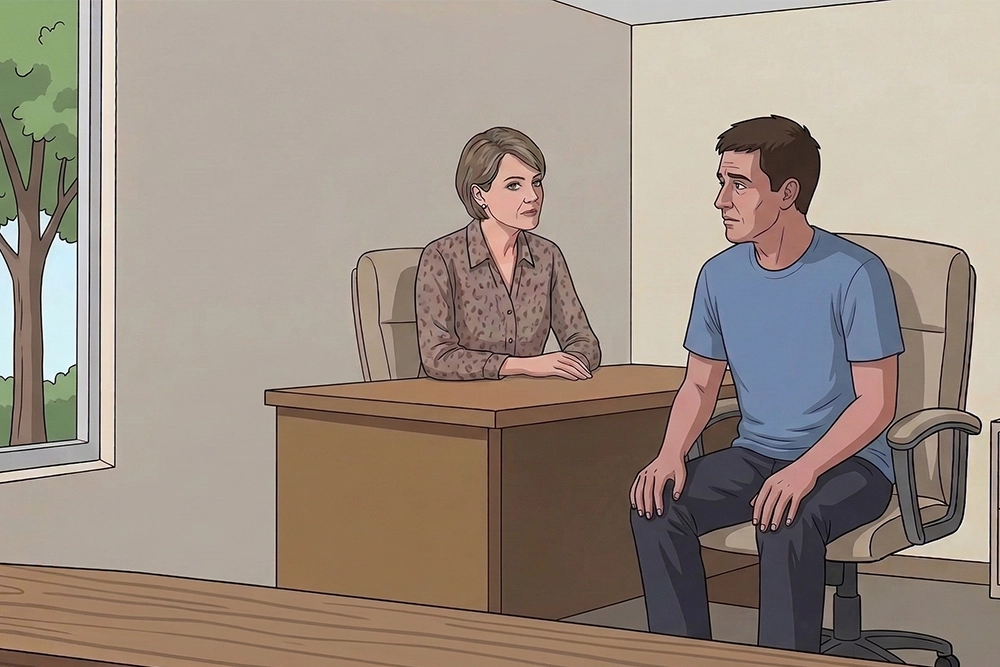
A significant proportion of people with opioid use disorder also experience co-occurring mental health conditions such as depression, anxiety, or post-traumatic stress. When these conditions are not addressed alongside substance use treatment, they can undermine medication effectiveness and increase the risk of relapse.
Integrated treatment means the clinical team coordinates care across all conditions simultaneously. This may involve psychiatric evaluation, medication adjustments, and therapy that addresses both the substance use disorder and the mental health diagnosis. At Amity Palm Beach, this coordination happens within the same treatment team, reducing gaps in communication and ensuring that treatment goals are aligned.
For someone with opioid use disorder and generalized anxiety, for example, the plan might include buprenorphine for opioid stabilization, CBT for anxiety management, and group therapy for peer support — all monitored by the same clinical team in a residential setting or step-down level of care.
What Does Integrated MAT and Therapy Look Like Day to Day?
In a well-structured program, medication and therapy are not separate tracks running in parallel. They inform each other. A therapist may notice that a person's cravings spike during family discussions and communicate that observation to the prescribing clinician. A medication adjustment that improves sleep may make therapy sessions more productive.
A typical week in integrated treatment might include:
- Daily medication management with clinical check-ins
- Two to three individual therapy sessions focused on triggers, skills, and progress
- Group counseling sessions for peer support and structured learning
- Psychiatric check-in to monitor co-occurring symptoms and medication response
- Recovery planning that addresses housing, employment, and social support
Therapy should begin as early as clinically appropriate. The key is not to delay therapy until medication has "finished working" — the two processes strengthen each other from the start. Early sessions often focus on immediate coping needs and safety planning, then shift toward relapse prevention and long-term recovery goals as stabilization improves.
Taking the Next Step in Palm Beach
Medication and therapy are not competing approaches to opioid recovery — they are complementary tools that work best when combined. If you or someone you care about is considering treatment for opioid use disorder, the most effective path forward includes both.
Amity Palm Beach in West Palm Beach offers integrated medication-assisted treatment with individualized therapy for opioid use disorder. The clinical team builds a plan around your specific needs, including medication management, evidence-based counseling, and coordinated care for co-occurring conditions. Call (888) 664-0182 to speak with an admissions counselor, or verify your insurance to begin the process.
This content is for informational purposes only and does not constitute medical advice. Please consult a qualified healthcare professional for personalized guidance.
Frequently Asked Questions
Why is therapy important during medication-assisted treatment?
Therapy addresses the behavioral, emotional, and social factors that medication alone cannot change. While MAT reduces cravings and withdrawal symptoms, therapy helps people identify triggers, develop coping strategies, and rebuild daily routines. The combination improves treatment retention and long-term outcomes.
What types of therapy are used alongside MAT for opioids?
Common approaches include cognitive-behavioral therapy (CBT), contingency management, motivational interviewing, and group counseling. The specific combination depends on the person's clinical needs, co-occurring conditions, and treatment setting. Therapy is tailored as part of an individualized plan.
Can MAT work without therapy?
Medication can reduce cravings and stabilize brain chemistry, but research consistently shows that combining MAT with behavioral therapy produces better outcomes than medication alone. Without therapy, the underlying patterns and triggers that drive opioid use often go unaddressed.
How long should therapy continue during MAT?
Therapy duration varies by individual need. Many people benefit from ongoing counseling throughout their medication treatment and beyond. As stability improves, therapy may shift from crisis management to relapse prevention and life skills. Clinicians adjust the frequency based on progress.
How do I start MAT with therapy in Palm Beach?
Amity Palm Beach provides integrated medication-assisted treatment with behavioral therapy for opioid use disorder. Call (888) 664-0182 to speak with an admissions counselor about assessment, insurance verification, and treatment options that fit your needs.
Sources & References
Read the sources referenced in this article.
- Medications for Substance Use Disorders — SAMHSA (2023)
- Opioid Use Disorder: Treating — CDC (2024)
- Principles of Drug Addiction Treatment: A Research-Based Guide — National Institute on Drug Abuse (NIDA) (2018)
Amity Palm Beach
Amity Palm Beach