
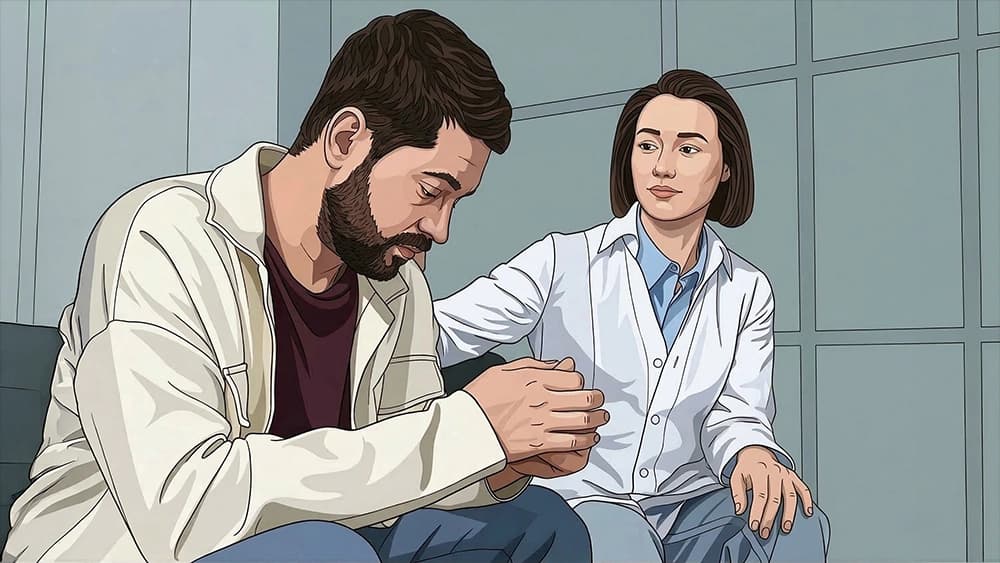
Alcohol detox medications include benzodiazepines for seizure prevention, anticonvulsants for symptom management, and supportive medications for sleep, nausea, and vitamin depletion. Medication selection depends on withdrawal severity, medical history, and clinical assessment under supervised care.
- 1Benzodiazepines remain the standard first-line medication for managing moderate to severe alcohol withdrawal and preventing seizures.
- 2Anticonvulsants may be used for milder withdrawal or as adjuncts to reduce benzodiazepine exposure in certain patients.
- 3Thiamine and other vitamin supplements are given early to prevent neurological complications from alcohol-related nutrient depletion.
- 4Medication protocols are adjusted in real time based on symptom scoring, which is why medical supervision during detox matters.
- 5Medication-assisted detox is a stabilization step that prepares people for ongoing treatment, not a standalone solution.
In West Palm Beach, one of the most common questions people ask before entering treatment is what medications are used during alcohol detox and how those medications actually work. That concern is reasonable. Alcohol withdrawal carries real medical risks, and understanding the role of medication helps people approach the process with clarity instead of uncertainty.
Medication during alcohol detox is not about sedation or comfort alone. It is a clinical tool for preventing dangerous complications, stabilizing the nervous system, and creating conditions where someone can safely transition into ongoing treatment.
Why does alcohol withdrawal require medication?
Chronic alcohol use changes how the brain regulates excitatory and inhibitory signaling. Alcohol enhances inhibitory neurotransmission, and over time the brain compensates by increasing excitatory activity. When alcohol is suddenly removed, the excitatory system operates without its counterbalance, producing the symptoms of withdrawal.
This neurological rebound can cause what clinicians describe in the alcohol withdrawal timeline:
- Anxiety, agitation, and tremor within hours of the last drink
- Elevated heart rate, blood pressure, and body temperature
- Nausea, sweating, and sleep disruption
- Seizures in moderate to severe cases
- Delirium tremens in the most severe presentations
Clinical literature on alcohol withdrawal classifies it as a medical condition that requires assessment-driven intervention, not simply time and rest. Medication addresses the underlying neurological instability that produces these symptoms.
At Amity Palm Beach, detox services use evidence-based medication protocols tailored to each person's risk level and clinical history.
What are benzodiazepines and how are they used?
Benzodiazepines are the most widely studied and commonly used medications for alcohol withdrawal management. They work by enhancing inhibitory signaling in the brain, which directly counteracts the excitatory surge that withdrawal produces.
Commonly used benzodiazepines
- Chlordiazepoxide (Librium): Long-acting, commonly used for mild to moderate withdrawal with a gradual taper schedule
- Diazepam (Valium): Long-acting with rapid onset, useful when symptoms need to be controlled quickly
- Lorazepam (Ativan): Shorter-acting, often preferred for patients with liver impairment because it does not require extensive hepatic metabolism
How dosing works
Clinical teams use one of two main approaches:
- Symptom-triggered dosing: Medication is given based on regular symptom assessments using standardized scales. This approach reduces total benzodiazepine exposure and shortens treatment duration for many people.
- Fixed-schedule dosing: Medication is given at set intervals with supplemental doses for breakthrough symptoms. This may be used when continuous monitoring is less available.
SAMHSA's TIP 45 supports symptom-triggered protocols as a preferred approach in supervised settings because they tailor medication to actual clinical need.
What role do anticonvulsants play in alcohol detox?
Anticonvulsant medications are sometimes used as alternatives or adjuncts to benzodiazepines, particularly for mild to moderate withdrawal.
Common anticonvulsants include:
- Carbamazepine: May reduce withdrawal severity and has lower misuse potential than benzodiazepines
- Gabapentin: Can address anxiety, sleep disruption, and craving with a different side-effect profile
- Valproic acid: Sometimes used for seizure prevention in specific clinical situations
Anticonvulsants are not a replacement for benzodiazepines in severe withdrawal. They are most useful for patients with lower-severity presentations or for those with a history of benzodiazepine dependence. Clinical teams evaluate each person's risk factors to determine whether an anticonvulsant protocol is appropriate.
Why is thiamine given during alcohol detox?
Chronic alcohol use depletes thiamine (vitamin B1), which is essential for nerve function and energy metabolism. Severe thiamine deficiency can lead to Wernicke encephalopathy, a neurological emergency that affects coordination, cognition, and eye movement.
Thiamine supplementation during detox typically includes:
- Intravenous thiamine in the first days of care, especially before glucose administration
- Oral thiamine continued after IV loading for ongoing repletion
- Folate and multivitamin support to address broader nutritional gaps
This intervention is standard across evidence-based detox programs because the risk of Wernicke encephalopathy is preventable with early supplementation. Waiting for lab-confirmed deficiency before treating is not recommended because the condition can develop rapidly.
Treatment for alcohol use at Amity Palm Beach includes nutritional protocols alongside medication management as part of the clinical plan.
What supportive medications are used during withdrawal?
Beyond primary withdrawal management, several supportive medications address specific symptoms that affect comfort, safety, and treatment engagement.
Common supportive medications include:
- Anti-nausea agents (ondansetron) for persistent nausea and vomiting
- Beta-blockers or clonidine for autonomic symptoms like elevated heart rate and blood pressure
- Sleep aids (trazodone, hydroxyzine) for insomnia that persists after acute withdrawal
- Electrolyte replacement for magnesium, potassium, and other imbalances identified on lab work
These medications are not given universally. They are added to the protocol based on individual symptom presentation and adjusted as the withdrawal course evolves. The ability to modify medications in real time is one of the primary advantages of supervised medical detox.
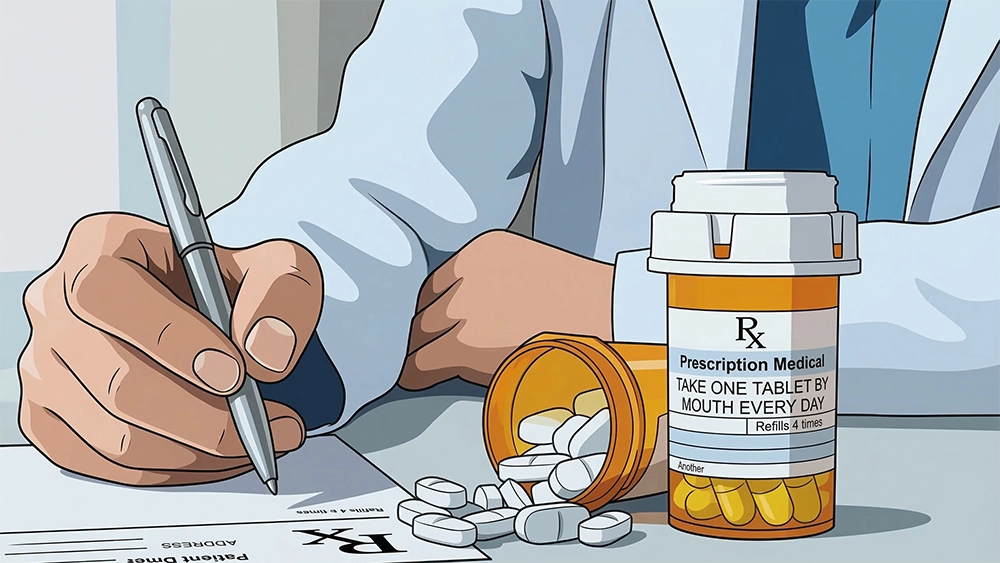
How does symptom scoring guide medication decisions?
Standardized withdrawal assessment tools allow clinical teams to quantify symptom severity and make medication decisions based on objective measurement rather than subjective impression.
The most widely used tool is the CIWA-Ar (Clinical Institute Withdrawal Assessment for Alcohol, revised), which scores symptoms including:
- Nausea and vomiting
- Tremor
- Anxiety
- Agitation
- Tactile, auditory, and visual disturbances
- Headache
- Orientation and clouding of sensorium
Scores are taken at regular intervals and determine whether additional medication is needed, whether dosing can be reduced, or whether the patient is approaching safe stabilization. This scoring process is a central reason why detox medications are more effective in supervised settings than when self-administered.
What happens with medications after acute detox?
Acute detox medication protocols typically resolve within five to ten days. After that, a separate set of medication considerations may apply depending on the person's treatment plan.
Post-detox medication options may include:
- Naltrexone: Reduces craving and the reinforcing effects of alcohol for people in ongoing recovery, as part of a relapse prevention plan
- Acamprosate: Helps stabilize brain chemistry disrupted by chronic alcohol use
- Continued psychiatric medication for co-occurring conditions like depression or anxiety
These decisions are made in coordination with medication-assisted treatment planning and the next level of care, whether that involves PHP, IOP, or outpatient services.
NIAAA's treatment guidance supports the use of FDA-approved medications alongside behavioral treatment as part of a comprehensive recovery plan.
What questions should you ask about detox medications?
Asking direct questions about medication protocols helps you evaluate whether a program takes an evidence-based approach to withdrawal management.
Useful questions include:
- What withdrawal assessment tool is used, and how often are symptoms scored?
- Are benzodiazepine protocols symptom-triggered or fixed-schedule?
- How is thiamine and nutritional support handled in the first days?
- What happens if withdrawal symptoms are more severe than expected?
- How are medication decisions communicated to the patient and family?
Programs that provide clear, specific answers to these questions are more likely to deliver individualized, clinically sound detox care. Learning about the admissions process ahead of time can also help you prepare.
Alcohol detox medications are most effective when guided by clinical assessment and adjusted throughout the withdrawal course. Call Amity Palm Beach at (888) 664-0182 to discuss detox options with medication support, or verify your insurance before admission.
This content is for informational purposes only and does not constitute medical advice. Please consult a qualified healthcare professional for personalized guidance.
Frequently Asked Questions
What medications are most commonly used during alcohol detox?
Benzodiazepines such as chlordiazepoxide and diazepam are the most widely used medications for alcohol withdrawal. They reduce seizure risk, ease anxiety, and stabilize the nervous system during acute withdrawal. Additional medications may include anticonvulsants, anti-nausea agents, and vitamin supplements depending on symptom severity and individual health factors.
Why are benzodiazepines used for alcohol withdrawal?
Benzodiazepines act on the same brain receptors that alcohol affects, which allows them to reduce withdrawal severity and lower seizure risk. They are administered under medical supervision using symptom-triggered or fixed-schedule protocols. Dosing is adjusted based on continuous clinical assessment to balance symptom relief with safety.
Can alcohol detox medications eliminate all withdrawal symptoms?
Medications significantly reduce symptom severity but may not eliminate every symptom entirely. Most people experience improved comfort and safety compared to unmedicated withdrawal. The goal is to manage symptoms well enough to prevent complications and support a stable transition into ongoing treatment, not to make the process completely symptom-free.
How long do people take medications during alcohol detox?
Acute withdrawal medication protocols typically last five to ten days, though individual timelines vary. Some people stabilize faster; others need extended monitoring. After acute detox, separate medications for relapse prevention may be recommended as part of a longer-term treatment plan coordinated with ongoing care.
How can I learn about medication-supported detox at Amity Palm Beach?
Call Amity Palm Beach at (888) 664-0182 to discuss your alcohol use history, withdrawal concerns, and treatment options. The admissions team can explain what medically supervised detox involves and help coordinate insurance verification and intake logistics.
Sources & References
Read the sources referenced in this article.
- Alcohol Withdrawal Syndrome — NCBI Bookshelf (StatPearls) (2024)
- TIP 45: Detoxification and Substance Abuse Treatment — SAMHSA (2015)
- Treatment for Alcohol Problems: Finding and Getting Help — NIAAA (2025)
Amity Palm Beach
Amity Palm Beach