
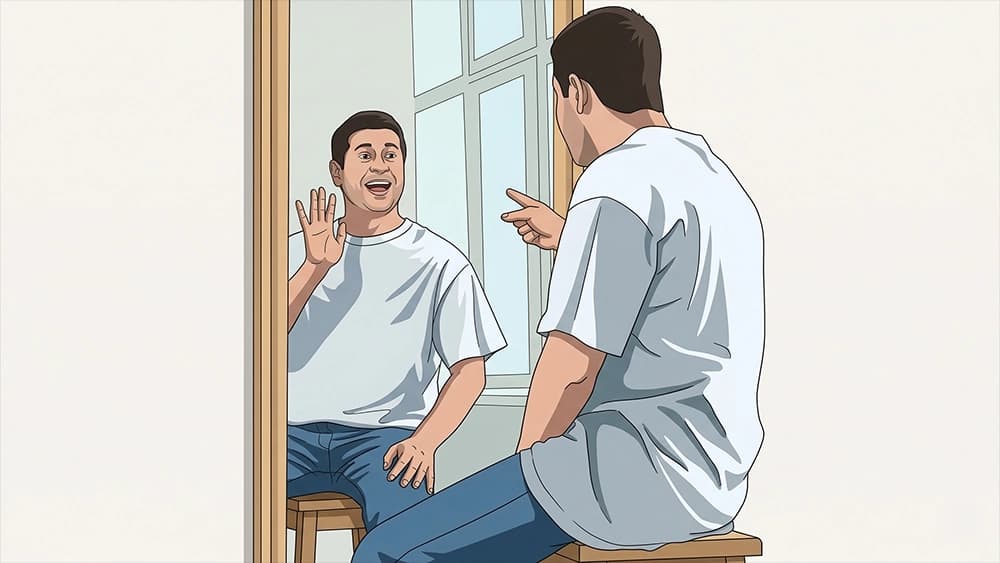
Bipolar Disorder and Substance Use: Treatment Considerations is about bipolar disorder and addiction and how it affects treatment planning, safety, and the next step into care.
- 1bipolar disorder and substance use often reinforce one another, which is why the two problems are usually addressed together.
- 2A person can look “fine” on the outside and still be stuck in a loop of symptoms, self-medication, and relapse pressure.
- 3Integrated treatment can combine therapy, medical review, medication support, and a step-down plan.
- 4Local care in West Palm Beach should account for both symptoms and the practical reality of daily life.
- 5A quick clinical assessment is often the fastest way to clarify the next step.
For many people in West Palm Beach and the surrounding Palm Beach area, bipolar disorder and substance use: treatment considerations is not an abstract topic. It is part of a real decision about safety, stability, and what kind of care will actually help.
When the issue involves bipolar disorder, the details matter. The difference between short-term relief and a plan that supports lasting recovery often comes down to timing, monitoring, and having the right level of support in place.
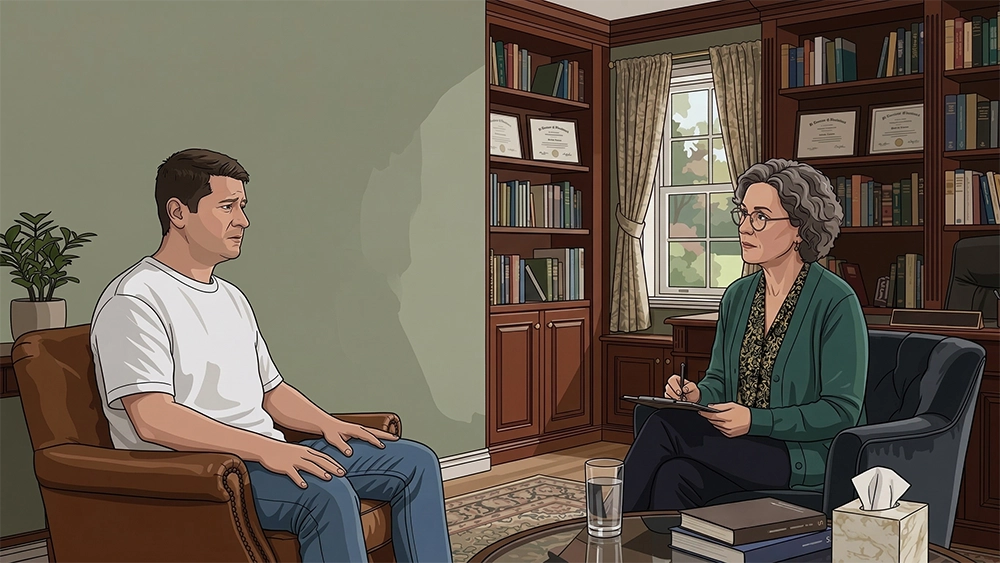
How the cycle develops
People often try to manage bipolar disorder symptoms by using alcohol or drugs to get short-lived relief. That can temporarily quiet the distress, but it also trains the brain and body to rely on the substance rather than on healthier coping skills.
Over time, the pattern usually becomes circular: symptoms drive use, use intensifies the underlying problem, and recovery gets harder to sustain unless both conditions are addressed together.
Signs the overlap may be active
The most useful clues are usually behavioral and practical rather than dramatic. Look for patterns that keep repeating even when someone genuinely wants to change.
- Mood swings that seem to intensify when substance use is active
- Impulsivity, high energy, or sleeping very little during certain periods
- Periods of depression followed by attempts to self-medicate
- Medication adherence getting harder when substance use is in the picture
- Family members noticing that the pattern looks bigger than addiction alone
What integrated treatment can include
At Amity Palm Beach, integrated care can combine therapy, medical evaluation, and a plan that fits the current level of stability. That may include individual counseling, group work, psychiatric support, medication management when appropriate, and step-down planning into dual diagnosis treatment.
The key is that treatment does not ask a person to “finish” one problem before starting the other. When bipolar disorder and addiction reinforce each other, the plan needs to break the loop from both sides at once, including the substance pattern that may require alcohol treatment or another focused care path.
Why the next step matters
If the pattern is interfering with sleep, work, relationships, or physical safety, the next step is not to wait for it to improve on its own. A brief clinical assessment can clarify whether detox, residential treatment, PHP, IOP, or outpatient support is the best starting point.
If you want to talk through the situation with a clinician, call Amity Palm Beach at (888) 664-0182. The team can explain the relevant level of care, talk through admissions, and help you understand how insurance fits into the plan.
Related care paths
If you are comparing options or planning the next step, these pages can help you orient the bigger picture.
Frequently Asked Questions
What does bipolar disorder have to do with addiction?
Bipolar symptoms such as impulsivity, sleep disruption, and mood swings can make substance use more likely and can also make recovery harder if both conditions are not addressed together.
Why is it important to treat both problems together?
Treating only one side of the picture usually leaves a major trigger untouched. When the substance use is addressed but the mental health symptoms continue, relapse pressure stays high. When the mental health condition is ignored, the person may keep using in order to cope. Coordinated care is usually more durable.
What might treatment include?
Treatment often includes a clinical assessment, individual therapy, group support, medication review, relapse prevention planning, and a step-down schedule that matches the person’s current needs. The exact mix depends on severity, safety, and how much structure is needed.
Where can I start if I think this is happening in West Palm Beach?
Call Amity Palm Beach at (888) 664-0182 to talk through symptoms, substance use, and the right level of care. The team can help you understand whether [dual diagnosis treatment](/dual-diagnosis), [detox](/programs/detox), [PHP](/programs/php), or [IOP](/programs/iop) is the right starting point.
Does integrated treatment replace medication or therapy?
No. Integrated treatment usually uses both when they are clinically appropriate. Some people need medication support, some need a strong therapy schedule, and many need a combination of both. The treatment plan is individualized rather than one-size-fits-all.
Sources & References
Read the sources referenced in this article.
- Substance Use and Co-Occurring Mental Disorders — NIMH (2024)
- Co-Occurring Disorders — SAMHSA (2025)
- Principles of Drug Addiction Treatment: A Research-Based Guide — NIDA (2018)
Amity Palm Beach
Amity Palm Beach