
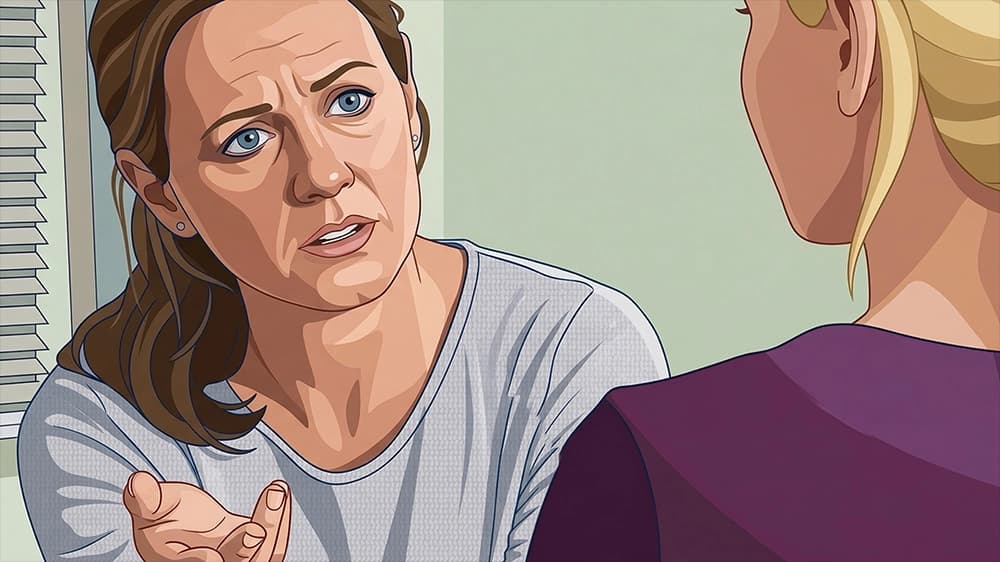
Clinicians distinguish anxiety vs substance-induced anxiety by looking at timing, symptom pattern, intoxication or withdrawal effects, mental health history, and how symptoms change with abstinence. That assessment helps determine whether integrated treatment should focus first on stabilization, ongoing anxiety care, or both.
- 1Anxiety can be a standalone mental health condition, but alcohol and other drugs can also cause anxiety symptoms during use, withdrawal, or both.
- 2Clinicians look closely at timing, substance history, and whether symptoms persist after stabilization to guide diagnosis.
- 3A careful assessment helps avoid treating the wrong problem first or overlooking co-occurring conditions.
- 4Integrated care is often important because substance use and anxiety can reinforce each other.
- 5Professional evaluation can clarify whether detox, residential care, dual diagnosis treatment, or another step makes the most sense.
In Palm Beach and West Palm Beach, people often describe the same experience in very different ways: racing thoughts, chest tightness, restlessness, panic, or a constant sense that something is wrong. The hard part is that those symptoms can reflect a primary anxiety disorder, the effects of alcohol or other drugs, or both. Understanding anxiety vs substance-induced anxiety is important because the right treatment plan depends on what is driving the symptoms.
At Amity Palm Beach, one of the first questions in an assessment is not just "Are you anxious?" but "When did the anxiety start, and what was happening around that time?" Timing matters. A person can have longstanding anxiety that contributed to substance use, or they can develop anxiety symptoms mainly because intoxication, withdrawal, or repeated substance exposure has changed how their nervous system is functioning.

Why is the distinction clinically important?
The difference affects what happens next. If a clinician assumes anxiety is purely psychological when it is closely tied to withdrawal or recent substance changes, the person may not get the stabilization or monitoring they need. If clinicians assume every anxiety symptom is substance-related, they may miss a real anxiety disorder that needs ongoing therapy and psychiatric care.
This is why good assessment is more than labeling. It shapes level-of-care decisions, medication choices, therapy planning, and expectations for recovery. Someone may need residential treatment first because symptoms are occurring in the middle of severe substance use or withdrawal. Another person may need ongoing dual diagnosis treatment because anxiety remains significant even when substance use is reduced.
What clues help clinicians tell the difference?
Clinicians usually start with pattern and chronology. They ask when symptoms began, whether anxiety existed before substance use escalated, whether symptoms appear during intoxication or withdrawal, and how long the symptoms last after a person stops using.
Important assessment questions include:
- Did anxiety symptoms exist before regular substance use began?
- Are symptoms strongest during intoxication, comedown, or withdrawal?
- Has the person had panic, generalized worry, or trauma symptoms during sober periods?
- Do symptoms improve after the body stabilizes?
- Are there family or personal mental health patterns that suggest an anxiety disorder?
The answers do not always point to only one issue. In many cases, both conditions are present. A person may have started drinking to cope with anxiety, then developed a second layer of substance-induced anxiety from repeated alcohol use, rebound effects, or withdrawal. That overlap is common and one reason integrated care matters.
Which substances commonly trigger anxiety symptoms?
Several substances can increase or mimic anxiety. Alcohol may initially feel calming but can worsen anxiety during rebound periods and withdrawal. Stimulants can produce panic, agitation, insomnia, and hypervigilance. Cannabis affects people differently, but in some cases it can contribute to paranoia or acute anxiety. Benzodiazepines may relieve symptoms short term, yet tolerance, dependence, and withdrawal can create another cycle of anxiety.
Even when the symptom looks familiar, the clinical meaning may be different. A person experiencing drug-induced anxiety diagnosis questions may need detox or monitoring before anyone can clearly evaluate the baseline mental health picture. That is one reason clinicians often avoid rushing to conclusions during active instability.
Another complicating factor is self-medication. Someone may begin drinking or using a drug because they already feel anxious, then start experiencing additional anxiety from the substance itself. When that happens, the person can understandably feel convinced that they need the substance to calm down, even while it is making the overall anxiety pattern worse over time.
How does the evaluation process usually work?
An effective evaluation combines history, observation, and follow-up. Clinicians review recent substance use, last use, withdrawal risk, past mental health diagnoses, medication exposure, sleep patterns, trauma history, and current functional impairment. They also pay attention to whether symptoms shift quickly as the person becomes more medically and emotionally stable.
In Palm Beach, this often means looking at the whole picture rather than only one symptom. Someone who cannot sleep, feels panicked, and has been drinking heavily may need a safer intake path through alcohol treatment or residential support before an anxiety diagnosis becomes clear. Someone else may already be abstinent but still have persistent fear, avoidance, and physical tension, which can point more strongly toward a primary anxiety disorder.
What happens when both are present?
Co-occurring cases are common. When anxiety and substance use reinforce each other, treatment usually works best when both are addressed in the same plan. Otherwise, a person may stop using temporarily but still feel overwhelmed by untreated anxiety, which raises relapse risk. Or they may receive mental health treatment while ongoing substance use keeps destabilizing sleep, mood, and physical regulation.
Integrated care may include:
- Clinical monitoring during stabilization
- Therapy focused on triggers, panic, or chronic worry
- Education about how substances affect the nervous system
- Medication review when appropriate
- Relapse prevention planning tied to anxiety symptoms
- Step-down planning after admissions into the right level of care
This approach can also reduce the confusion many people feel after an initial crisis. Instead of being told to solve the substance problem first and the anxiety later, they receive a plan that recognizes how closely the two issues may be linked. That tends to produce more realistic expectations and better continuity of care.
When should someone seek help?
It is worth seeking an assessment when anxiety is interfering with sleep, work, relationships, or daily functioning, especially if alcohol or drug use is part of the picture. It is also important when symptoms change quickly after stopping a substance, when panic is becoming more frequent, or when someone is using more heavily just to feel normal.
People in West Palm Beach and throughout South Florida do not need to solve the diagnosis alone before they ask for help. The more useful goal is getting a careful evaluation that can identify what needs attention first and what kind of treatment setting is safest.
Warning signs that deserve prompt attention include escalating panic, severe insomnia, confusion, strong urges to use just to calm down, and anxiety that feels dramatically worse during withdrawal. Those patterns do not automatically confirm one diagnosis, but they do suggest that professional assessment should happen sooner rather than later.
In Palm Beach, another common barrier is assuming that seeking help means immediately committing to a specific program. In reality, the first step is often just a conversation and assessment. That discussion can clarify whether the immediate priority is stabilization, mental health treatment, integrated care, or a different level of support.
If you are trying to understand whether anxiety symptoms are primary, substance-related, or both, Amity Palm Beach can help. Our team works with people in Palm Beach, West Palm Beach, and across South Florida who need clear next steps around co-occurring conditions and addiction treatment. Call (888) 664-0182 or reach out through admissions to start the conversation.
Medical disclaimer: This article is for informational purposes only and does not constitute medical advice. Always consult with a healthcare provider for personalized recommendations.
Frequently Asked Questions
What is the difference between anxiety and substance-induced anxiety?
Anxiety disorders involve persistent fear, worry, or panic that are not explained only by substance effects. Substance-induced anxiety is linked more directly to intoxication, withdrawal, medication effects, or recent substance use changes. Clinicians distinguish them by reviewing timing, symptom pattern, history, and how symptoms change when substance use stops.
Can alcohol or drugs make anxiety symptoms feel worse?
Yes. Alcohol, stimulants, cannabis, benzodiazepines, and several other substances can trigger or intensify anxiety symptoms. In some cases the symptoms appear while a person is using; in others they emerge during withdrawal or rebound after the substance wears off. That is why a full substance use history is essential during diagnosis.
How do clinicians diagnose substance-induced anxiety?
Clinicians review recent use, withdrawal risk, medication exposure, symptom onset, prior mental health history, and whether anxiety continues after stabilization. They also look for signs of a broader co-occurring pattern rather than assuming every anxious symptom comes from one cause. The goal is to match treatment to the actual drivers of distress.
Where can I get evaluated for anxiety symptoms in West Palm Beach?
In West Palm Beach and across the Palm Beach area, an assessment at a program experienced with co-occurring conditions can help clarify whether anxiety is primary, substance-induced, or both. That matters because the right plan may involve [dual diagnosis treatment](/dual-diagnosis), withdrawal management, therapy, psychiatric support, or a higher level of care.
What should I do if I am not sure which kind of anxiety I have?
Call Amity Palm Beach at (888) 664-0182 for a confidential assessment. The team can talk through recent alcohol or drug use, current symptoms, and whether [alcohol treatment](/addiction-treatment/alcohol), [residential treatment](/programs/residential), [admissions](/admissions), or another next step is appropriate.
Sources & References
Read the sources referenced in this article.
- Substance-Induced Disorders in Treatment for Persons With Co-Occurring Disorders — SAMHSA TIP 42 (2013)
- Anxiety Disorders — National Institute of Mental Health (2025)
- Alcohol's Effects on Health — NIAAA (2025)
Amity Palm Beach
Amity Palm Beach