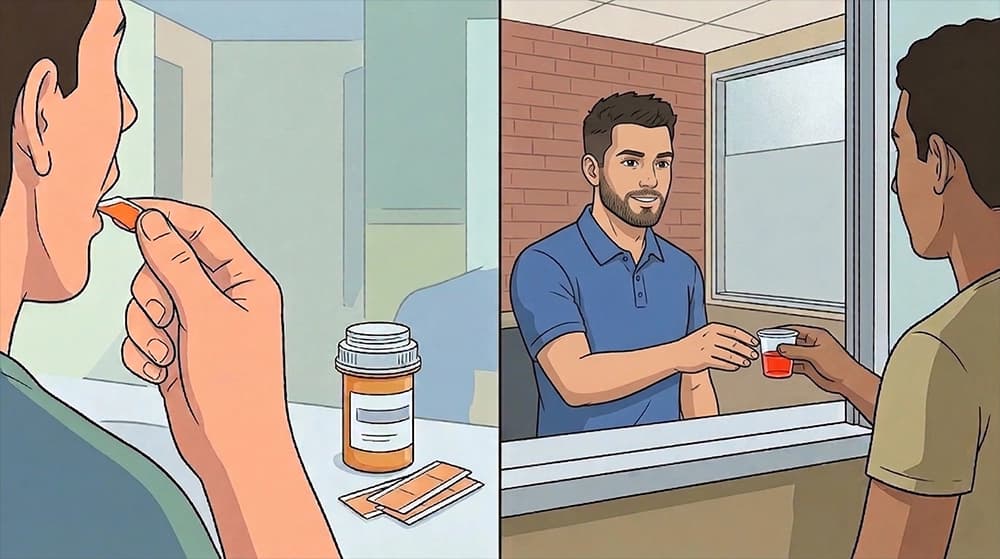
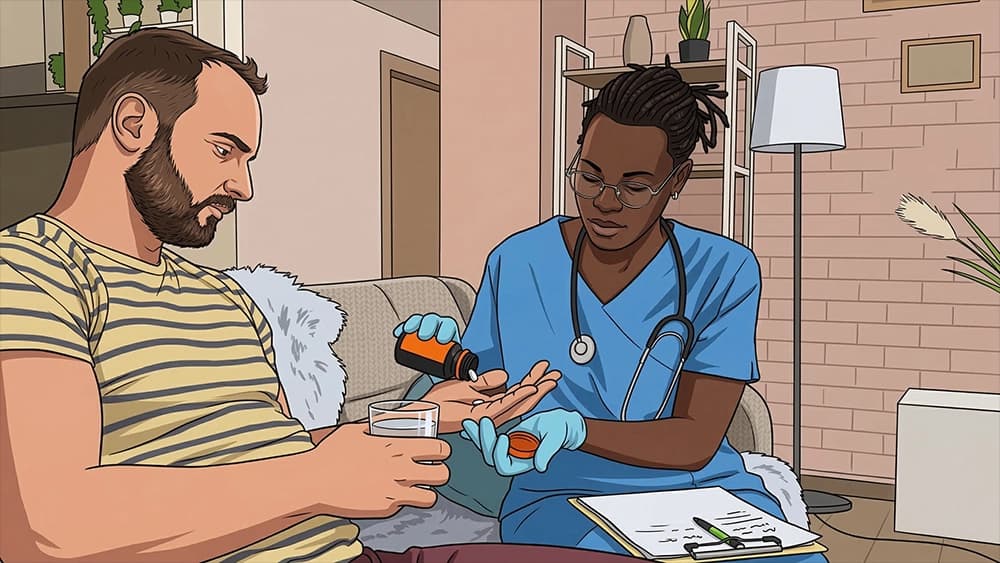
Medication-assisted treatment (MAT) in Palm Beach combines FDA-approved medications with counseling and behavioral therapies to treat opioid use disorder. MAT reduces cravings, prevents withdrawal, and supports long-term recovery when delivered as part of a comprehensive treatment plan.
- 1MAT uses FDA-approved medications like buprenorphine, methadone, and naltrexone alongside therapy to treat opioid use disorder effectively.
- 2Medication-assisted treatment reduces opioid cravings and withdrawal symptoms, allowing individuals to engage meaningfully in therapy and daily life.
- 3A clinical assessment determines which MAT medication and treatment intensity best match your medical history and recovery goals.
- 4MAT is not replacing one addiction with another—it stabilizes brain chemistry so therapeutic work can take hold.
- 5Palm Beach residents can access MAT through local treatment programs that coordinate medication management with counseling and structured support.
Medication-assisted treatment in Palm Beach provides an evidence-based path for individuals navigating opioid use disorder. MAT combines FDA-approved medications with counseling and behavioral therapies, addressing both the physical and psychological dimensions of addiction. For people in the Palm Beach area seeking structured, science-backed care, understanding how MAT works and what to expect is the first step toward informed decision-making.
How Medication-Assisted Treatment Works
MAT uses medications that interact with the same brain receptors affected by opioids, but in controlled, therapeutic ways. The three primary medications approved for opioid use disorder are buprenorphine, methadone, and naltrexone. Each works through a different mechanism, and the choice depends on individual clinical factors.
Buprenorphine is a partial opioid agonist. It activates opioid receptors enough to prevent withdrawal and reduce cravings but does not produce the euphoric high associated with full agonists like heroin or fentanyl. This allows individuals to stabilize physically while remaining clear-headed and able to participate in therapy.
Methadone is a full opioid agonist administered in controlled, supervised settings. It prevents withdrawal and reduces cravings over a sustained period. Methadone is typically used for individuals with severe opioid dependence who need consistent daily dosing under medical supervision.
Naltrexone is an opioid antagonist that blocks opioid receptors entirely. It prevents any opioid from producing effects, which helps individuals who have already completed detox maintain abstinence. Naltrexone is available as a daily oral dose or a monthly injection.
The medication component addresses the physical side of opioid dependence. Counseling and behavioral therapies address the psychological, social, and behavioral factors that drive substance use. Together, they form a comprehensive approach that consistently outperforms either medication or therapy alone.
What to Expect During the Intake Process
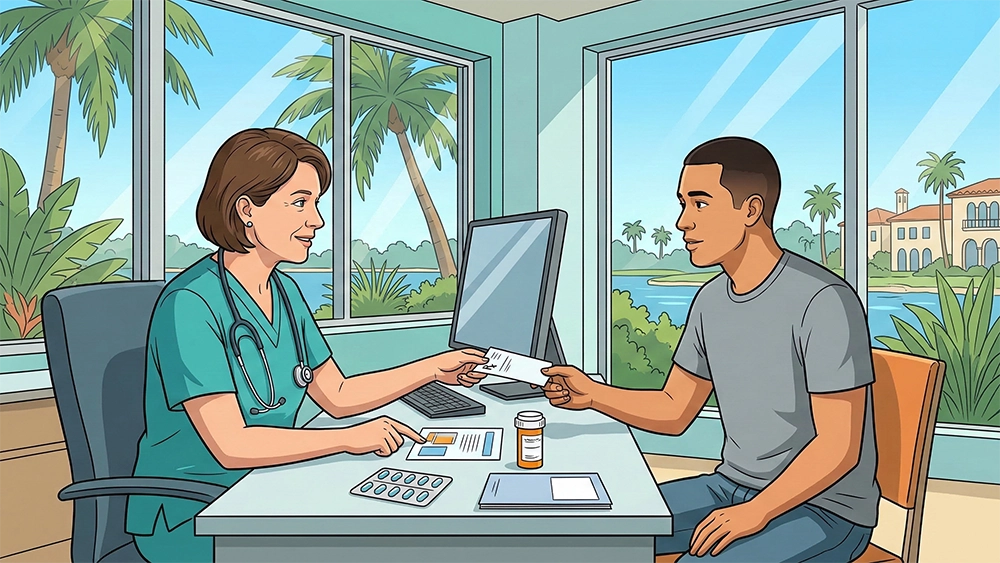
Starting medication-assisted treatment begins with a clinical assessment. This evaluation covers your substance use history—what you've been using, how long, how much, and any previous treatment attempts. The clinical team reviews your medical history, current medications, mental health status, and social circumstances.
A physician conducts a physical examination and may order lab work to assess liver function, infectious disease markers, and overall health. Based on this information, the physician recommends the most appropriate MAT medication, dosing schedule, and treatment intensity.
The intake process also includes a discussion about your goals, concerns, and expectations. Treatment works best when you understand the plan and feel comfortable with the approach. Questions about medication side effects, duration, and how MAT fits into your broader recovery are all part of this conversation.
MAT as Part of a Broader Treatment Plan
Medication alone is not treatment—it's one component of a comprehensive plan. MAT programs pair medication with individual therapy, group counseling, psychoeducation, and relapse prevention planning. This integrated approach addresses the underlying drivers of substance use while the medication provides physiological stability.
Individual therapy sessions explore the thoughts, emotions, and behaviors connected to opioid use. Evidence-based modalities like cognitive-behavioral therapy (CBT) and motivational interviewing help individuals develop healthier coping strategies, identify triggers, and build resilience against relapse.
Group counseling offers peer connection and shared accountability. Hearing others' experiences, practicing communication skills, and receiving feedback in a therapeutic setting reinforces individual progress and reduces the isolation that often accompanies addiction.
For individuals with co-occurring conditions such as depression, anxiety, or trauma, MAT programs coordinate psychiatric care alongside addiction treatment. Addressing opioid addiction within a dual diagnosis framework ensures that mental health needs don't undermine recovery progress.
Addressing Common Concerns About MAT
One persistent misconception is that MAT simply replaces one addiction with another. This misunderstanding overlooks how MAT medications work pharmacologically. Buprenorphine and methadone stabilize brain chemistry at controlled doses—they don't produce the cycle of intoxication, withdrawal, and craving that characterizes active opioid use. People on MAT can work, care for their families, attend school, and engage fully in daily life.
Another concern involves treatment duration. Some individuals worry that being on medication indefinitely means they haven't truly recovered. In practice, MAT duration is individualized. Some people taper off medication after months of stability; others benefit from longer-term maintenance. Clinical evidence supports both approaches depending on the person's history, risk factors, and ongoing needs. The decision is made collaboratively with your treatment team—not on an arbitrary timeline.
The Role of Detox in the MAT Process
For many individuals, the MAT journey begins with medical detox. Detoxification manages acute withdrawal symptoms in a supervised setting, stabilizing the body before ongoing treatment begins. In some cases, MAT medications are introduced during detox itself—buprenorphine, for example, can be started once early withdrawal symptoms appear, providing immediate relief and creating a seamless transition into ongoing MAT.
Detox alone is not treatment. Without follow-up care, the risk of relapse is high. MAT bridges the gap between detox and long-term recovery by maintaining physiological stability while therapeutic interventions build the skills and insight needed for sustained change.
Accessing MAT in Palm Beach
Palm Beach County offers multiple pathways to medication-assisted treatment. Local treatment centers, including Amity Palm Beach, provide MAT as part of comprehensive addiction treatment programming. Access typically begins with a phone call to an admissions team, followed by insurance verification and clinical intake.
Insurance coverage for MAT has expanded significantly in recent years. Most commercial insurance plans, Medicare, and Medicaid cover MAT medications and associated counseling services. However, coverage specifics vary by plan, so verifying benefits before starting treatment helps ensure continuity of care.
Taking the First Step
If you or someone you care about is considering medication-assisted treatment in Palm Beach, reaching out is the most important first step. A confidential conversation with a treatment professional can clarify your options, address concerns, and outline a path forward.
At Amity Palm Beach, our clinical team provides comprehensive MAT programming that includes medical assessment, medication management, individual and group therapy, and ongoing recovery support. We coordinate care across all treatment levels—from detox through outpatient—so your recovery plan stays consistent and responsive to your progress.
Call us at (888) 664-0182 to speak with our admissions team. We can discuss your situation, explain treatment options, verify insurance, and help you begin the process. Evidence-based care is available, and recovery is within reach.
Medical disclaimer: This article is for informational purposes only and does not constitute medical advice. Always consult with a healthcare provider for personalized recommendations.
Frequently Asked Questions
What is medication-assisted treatment (MAT)?
MAT combines FDA-approved medications—such as buprenorphine, methadone, or naltrexone—with counseling and behavioral therapies to treat opioid use disorder. The medication component reduces cravings and withdrawal symptoms, while therapy addresses the behavioral and psychological dimensions of addiction. MAT is considered the gold standard for opioid use disorder treatment.
Is MAT just replacing one drug with another?
No. MAT medications work differently from opioids of abuse. Buprenorphine, for example, is a partial opioid agonist that prevents withdrawal and reduces cravings without producing euphoria at therapeutic doses. These medications stabilize brain chemistry, allowing individuals to think clearly, function normally, and participate fully in therapy and recovery activities.
How long does medication-assisted treatment last?
MAT duration varies by individual. Some people benefit from months of medication support; others continue for years. There is no fixed timeline. Clinical decisions about tapering or continuing medication are made collaboratively between you and your treatment team, based on stability, relapse risk, and overall progress.
What happens during a MAT intake assessment?
The intake assessment includes a review of your substance use history, medical background, mental health status, and current medications. A physician evaluates withdrawal risk and determines which MAT medication is most appropriate. The team also discusses therapy options, treatment intensity, and coordination with any existing healthcare providers.
How do I start MAT at Amity Palm Beach?
Call Amity Palm Beach at (888) 664-0182 to speak with our admissions team. We can conduct an initial screening, explain MAT program options, verify your insurance, and coordinate your intake. Our team is available to answer questions and help you take the first step toward evidence-based treatment.
Sources & References
This article is based on peer-reviewed research and authoritative medical sources.
- Medication-Assisted Treatment (MAT) — Substance Abuse and Mental Health Services Administration (SAMHSA) (2025)
- Effective Treatments for Opioid Addiction — National Institute on Drug Abuse (NIDA) (2024)
- Buprenorphine Treatment for Opioid Use Disorder — U.S. Food and Drug Administration (FDA) (2024)
Amity Palm Beach
Amity Palm Beach Medical Team